Bengal Implements Unprecedented Dry Spell Ahead of Elections
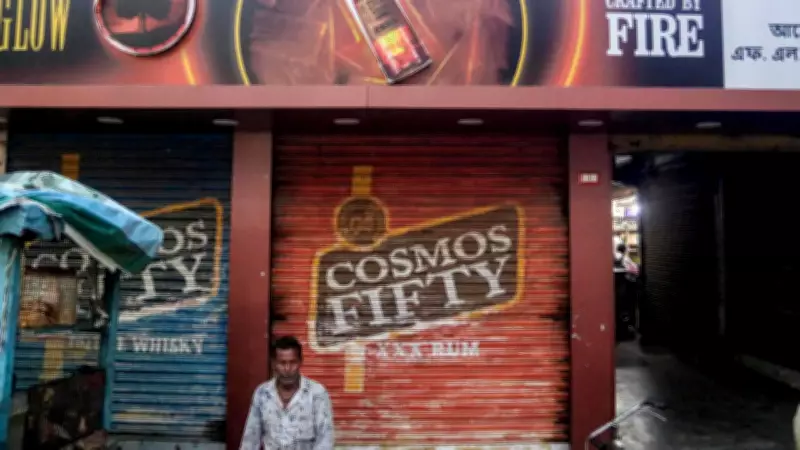
Kolkata, West Bengal, is bracing for an unprecedented and unbroken dry period spanning nine-and-a-half days over the next fortnight, starting Monday. This drastic measure has been ordered by district authorities in response to the upcoming elections, sending shockwaves through both the hospitality industry and residents who enjoy evening drinks.
Official Orders and Industry Backlash
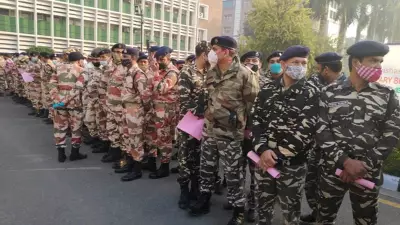
The orders, issued by respective district authorities, have left the hospitality sector reeling. While Election Commission officials assert that they merely intend to enforce the standard regulatory dry period of 48 hours before polls, senior officials in the excise department and district administrations reveal they are acting under "verbal orders from those overseeing the election in Bengal." This discrepancy has fueled confusion and frustration among stakeholders.
Concerns Over Voter Inducement Trigger Action
Sources indicate that officials monitoring the polls detected an "unusual spurt" in alcohol sales, raising alarms about potential voter inducement. This prompted an alert to the excise department, leading to the extended dry spell. The move aims to curb any illicit activities that could compromise the electoral process, though it has sparked debate over its necessity and impact.

Economic Impact on Liquor and Hospitality Sectors
The economic repercussions are staggering. West Bengal boasts approximately 5,000 bars and off-shops, which typically generate daily sales ranging from Rs 80 to 90 crore. The estimated loss for the liquor and hospitality industry across the state is projected to exceed Rs 1,400 crore. Notably, Kolkata alone is expected to bear the brunt of this loss, accounting for around Rs 900 crore. This financial blow highlights the severe strain on businesses and employment in the sector.
Broader Implications and Public Reaction
The extended dry spell not only affects commercial establishments but also disrupts social routines and local economies. Industry representatives have expressed concerns over the lack of formal communication and the extended duration, arguing that it goes beyond standard election protocols. As the state navigates this period, the balance between electoral integrity and economic stability remains a contentious issue, with many calling for clearer guidelines and mitigation measures.