DH Cartoon Satirizes Election Campaign Schedule Scrutiny
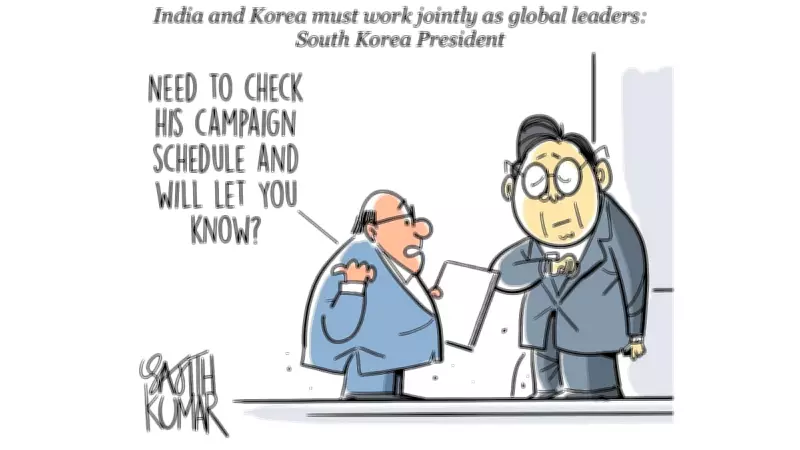
A recent cartoon published by Deccan Herald has captured public attention by humorously depicting the intense scrutiny of election campaign schedules. The artwork, part of the newspaper's regular opinion section, uses visual satire to comment on the political landscape during election seasons.
Focus on Transparency and Public Engagement
The cartoon emphasizes the importance of transparency in political campaigns, as candidates and parties meticulously plan their public appearances and rallies. It highlights how every detail of a campaign schedule is closely monitored by the media, opposition parties, and the electorate, reflecting the high stakes involved in electoral politics.
This scrutiny is portrayed as a double-edged sword, ensuring accountability while also adding pressure on political figures to maintain a flawless public image. The cartoon subtly critiques the sometimes overwhelming nature of modern electioneering, where schedules are dissected for any misstep or inconsistency.

Broader Implications for Democratic Processes
Beyond the immediate humor, the cartoon touches on deeper themes related to democracy and governance. It underscores how campaign schedules serve as a barometer of political strategy, revealing priorities and target demographics. The public's keen interest in these schedules demonstrates an engaged citizenry, eager to participate in the democratic process through rallies, debates, and other events.
Moreover, the artwork raises questions about the balance between rigorous oversight and the practical challenges of running a campaign. Candidates must navigate a complex web of logistics, security concerns, and media expectations, all while trying to connect with voters on a personal level.
Artistic Elements and Cultural Context
Deccan Herald's cartoon employs classic satirical techniques, using exaggerated characters and scenarios to make its point. The style is accessible yet sharp, appealing to a wide audience while delivering a pointed commentary. In the context of Indian media, such cartoons play a vital role in fostering political discourse, offering a lighthearted yet insightful perspective on serious issues.
This particular piece aligns with a tradition of editorial cartoons that hold power to account, using wit to challenge norms and provoke thought. It serves as a reminder of the media's role in a healthy democracy, where freedom of expression allows for critical yet constructive engagement with political events.
In summary, the Deccan Herald cartoon on election campaign schedule scrutiny not only entertains but also enriches public understanding of electoral dynamics. By blending humor with observation, it contributes to the ongoing conversation about transparency, accountability, and the vibrancy of democratic practices in contemporary politics.