Assam's Bamunigaon Refugee Camp Residents Face Citizenship Uncertainty Amid Elections
As another election cycle unfolds in Assam, the lives of numerous families who escaped communal unrest in East Pakistan during the 1960s and settled in the Bamunigaon refugee camp in Kamrup district remain in a state of limbo. These residents, many of whom have called India home for decades, continue to face pressing concerns over their citizenship status and economic stability.
Historical Background and Settlement
Approximately two decades ago, the government granted permanent land settlement to around 120 families previously residing in the Bamunigaon camp. However, for many, the absence of their names in the National Register of Citizens (NRC) poses a significant challenge. The refugee colony, situated near NH-17 and surrounded by local tribal communities such as Rabhas and Bodos, is home to tribal Hajong and Garo families, as well as non-tribal Hindu families who crossed into India decades ago.
Since the 1980s, election authorities have permitted these residents to vote at the nearby Choudhury Para Primary School polling station. For years, they lived quietly, sustaining themselves through bamboo handicrafts, daily wage labor, and small trades in and around Bamunigaon.

Personal Stories of Struggle
For 66-year-old Rasendra Hajong, life was relatively stable until the NRC update process intensified nearly a decade ago. Hajong entered India in 1964 through what is now Meghalaya’s border with Bangladesh, at just four years old, accompanied by his mother, grandmother, and brother. Recalling the hardships his family endured in Mymensingh district, he described how tribal families dependent on farming and livestock faced sustained social exclusion.
"We were isolated, our produce was not bought, and our families were repeatedly told that one day we would have to leave for Hindustan. Eventually, amid reports of attacks on Hindu and tribal families, we fled. We lost our home, land, and all our possessions in East Pakistan. Despite living in Assam for decades, members of my family, including me and my two daughters, and several neighbors were excluded from the NRC," Hajong explained.
He questioned why families like his, who receive government-allocated rice from fair price shops and have been voting for decades, should face doubts over their citizenship, just like any other Indian citizen.
Political and Legal Ambiguities
With NRC-related matters pending before the Supreme Court, political parties have offered little certainty during their campaigns in the area. Bamunigaon falls under the newly created Boko-Chaygaon constituency, where the contest is between the Congress and BJP. Those excluded from the NRC will once again participate in voting, but they continue to live in a state of legal ambiguity.
Across Assam, about 1.9 million applicants were left out of the final NRC published on August 31, 2019. Residents of Bamunigaon say they do not know the exact reasons for their exclusion but suspect that old refugee documents issued at the time of their entry may have contributed. Many of these papers are handwritten and fragile, with the writings fading over time.
Economic Challenges and Hopes for the Future
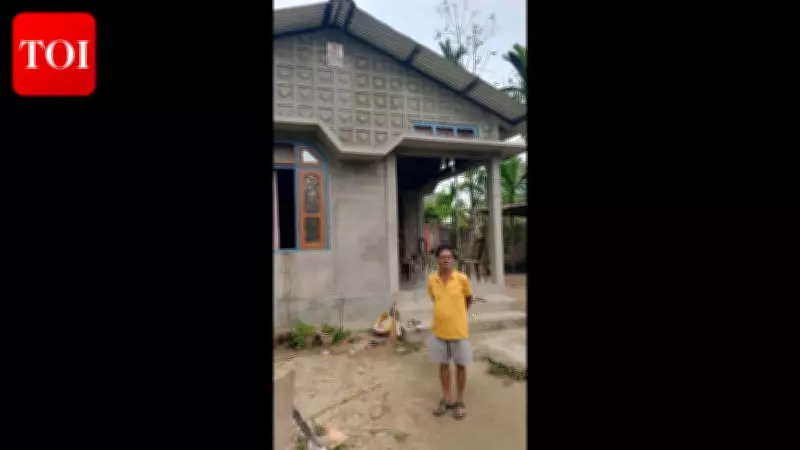
Anil Chanda, 60, has his name included in the NRC. Although he has received a government house and electricity connection, he notes that life remains difficult on a cramped 1.5-katha plot as families grow larger. Chanda, who runs a salon similar to what his family once operated in East Pakistan, emphasized the need for economic support.
"The bigger need now is economic support and jobs for the younger generation. Most people in the colony are extremely poor and cannot afford to buy land elsewhere. They hope for economic upliftment," he stated.
As elections approach, the residents of Bamunigaon refugee camp continue to navigate a complex web of citizenship doubts, legal uncertainties, and economic hardships, highlighting broader issues of inclusion and welfare in Assam.