Sikh Pilgrim Group Concludes Pakistan Visit, Returns via Attari-Wagah Border
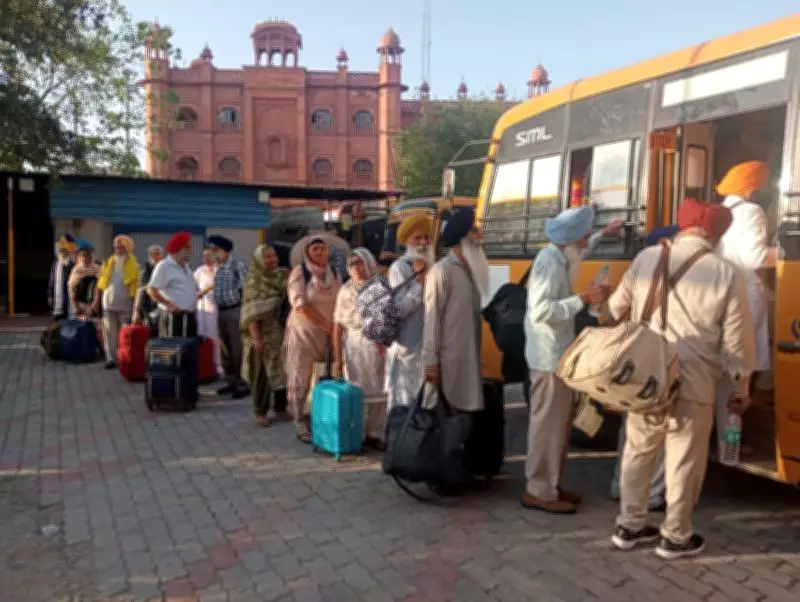
A Sikh jatha, or pilgrim group, is scheduled to return to India from Pakistan today, crossing through the Attari-Wagah joint check post. This event marks the end of their religious visit to Pakistan, where they participated in various spiritual activities and visited significant gurdwaras.
Details of the Return Journey
The pilgrims are expected to arrive at the Attari-Wagah border in the afternoon, following standard immigration and customs procedures. Indian authorities have made necessary arrangements to facilitate their smooth entry, ensuring a hassle-free return for the devotees.
This border crossing is a key point for such religious exchanges between India and Pakistan, often used by Sikh pilgrims traveling to and from sacred sites in Pakistan. The Attari-Wagah check post is known for its ceremonial border closing events, but it also serves practical purposes for cross-border movement.

Significance of the Pilgrimage
The visit by the Sikh jatha is part of ongoing religious tourism and cultural exchanges between the two neighboring countries. Pilgrims typically visit historical gurdwaras in Pakistan, such as those in Nankana Sahib and Kartarpur, which hold deep religious importance for the Sikh community.
Such pilgrimages are often organized under bilateral agreements, allowing for visa-free travel or simplified procedures to promote interfaith harmony and people-to-people connections. The return of this group highlights the continued, albeit limited, cultural ties amid broader geopolitical tensions.
Logistical and Security Arrangements
Authorities on both sides have coordinated to ensure the safe passage of the pilgrims. Security measures are in place at the border to manage the influx and maintain order during the crossing.
- Indian border security forces are monitoring the situation closely.
- Customs officials are prepared to process the pilgrims efficiently.
- Local administration in Amritsar is providing support for transportation and other needs upon arrival.
The smooth operation of this return journey is crucial for fostering goodwill and setting a precedent for future religious exchanges. It underscores the role of border management in facilitating cultural and spiritual interactions between India and Pakistan.