Ajit Pawar: The Political Veteran Who Never Ascended to the Chief Minister's Chair
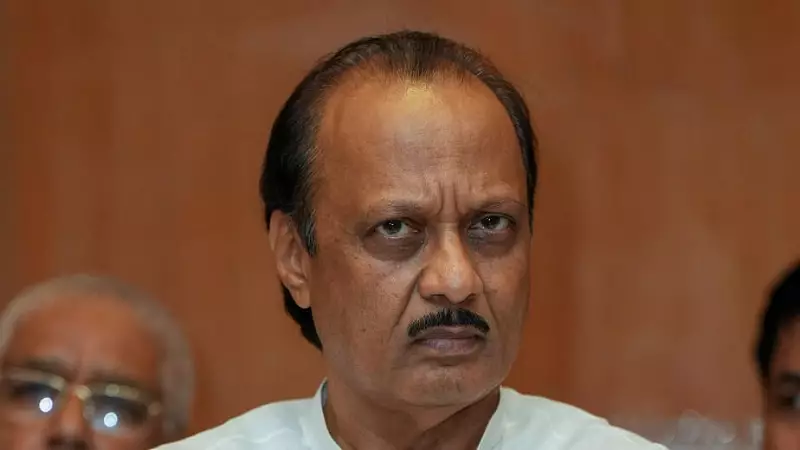
In the complex tapestry of Maharashtra politics, few figures have been as consistently prominent yet ultimately unfulfilled in their highest ambition as Ajit Pawar. Known affectionately as 'Dada' by supporters and colleagues, Pawar's political journey is marked by disciplined dedication, grassroots connection, and administrative acumen that never culminated in him occupying the chief minister's office.
A Day in the Life: Discipline and Dedication
Ajit Pawar's daily routine reveals much about the man behind the political persona. By 5 am each morning, regardless of his location or the political pressures of the day, he would make his way into the garden to personally tend to his plants. This early morning ritual provided not just horticultural satisfaction but also a moment of quiet reflection before the demands of public life consumed his day.
By 6 am, whether stationed in his political stronghold of Baramati or in Pune city, Pawar would hit the streets in his characteristic spotless white kurta-pajamas. This early morning public engagement wasn't merely for show—it represented his commitment to staying connected with constituents and understanding ground realities before formal work began.

Contrasting Routines: From Streets to Administrative Chambers
The transition from grassroots engagement to administrative responsibilities highlights Pawar's multifaceted approach to public service. While his mornings in Baramati and Pune were marked by direct public interaction, his routine in Mumbai took a distinctly different turn. Here, he would begin his day with meetings with government officers and administrative staff, demonstrating his capacity to navigate both the human and bureaucratic dimensions of governance.
This dual approach—combining street-level politics with administrative efficiency—became a hallmark of Pawar's political style. It reflected his understanding that effective governance requires both popular connection and institutional knowledge, a balance he maintained throughout his decades-long political career.
The Political Journey: So Near Yet So Far
Despite his disciplined approach and extensive experience in Maharashtra politics, Ajit Pawar's career represents what might be called the 'nearly man' of state politics. As a senior leader of the Nationalist Congress Party (NCP) and nephew of party founder Sharad Pawar, he held numerous significant positions including multiple terms as Deputy Chief Minister and important ministerial portfolios.
Yet the ultimate prize—the chief minister's chair—remained elusive. Political observers have noted several factors that might explain this outcome:
- Timing and Political Alignments: The shifting alliances and coalition dynamics in Maharashtra often placed Pawar in powerful positions but never at the very top.
- Internal Party Dynamics: Within the NCP, leadership succession and power distribution created complex scenarios that affected individual ambitions.
- Public Perception: While respected for his administrative capabilities, Pawar sometimes faced challenges in cultivating the broader popular appeal needed for the highest office.
- Political Competition: Maharashtra's competitive political landscape features numerous strong contenders for leadership positions.
Legacy and Impact on Maharashtra Politics
Even without becoming chief minister, Ajit Pawar has left an indelible mark on Maharashtra's political landscape. His contributions include:

- Administrative Reforms: During his various ministerial tenures, Pawar implemented significant policy changes and administrative improvements.
- Grassroots Development: His connection to Baramati and surrounding regions translated into substantial development projects and improved infrastructure.
- Political Mentorship: As a senior figure, he has guided numerous younger politicians and helped shape political careers.
- Coalition Management: Pawar's experience in navigating complex coalition politics has been valuable during periods of unstable governments.
The story of Ajit Pawar serves as a compelling case study in Indian politics—a reminder that political success isn't measured solely by the highest office attained, but by consistent service, administrative impact, and enduring influence on the political system. His disciplined routine, combining early morning gardening with public engagement and administrative work, symbolizes a career built on balance, dedication, and unfulfilled ambition.