Himanta Sarma's Polarization Strategy in Assam Amid 'Miya' Controversy
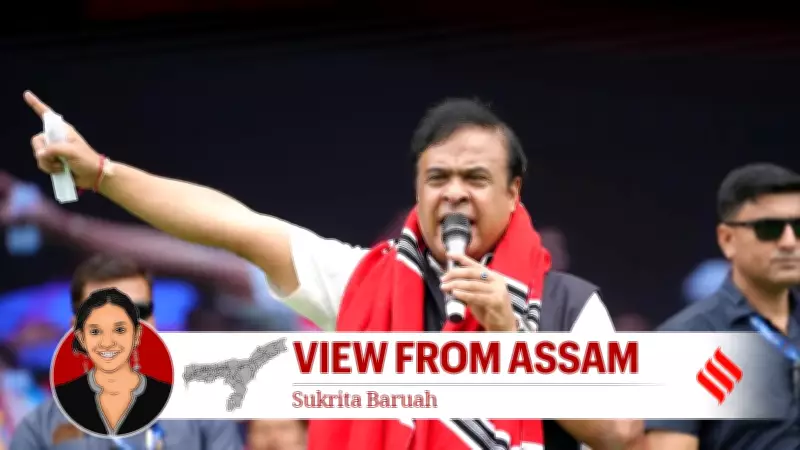
As Assam prepares for the upcoming Assembly polls, Chief Minister Himanta Biswa Sarma has intensified his focus on polarizing rhetoric, particularly targeting the 'Miya' community. This strategy has sparked a firestorm of debate, with recent events highlighting the deep-seated social faultlines in the state.
Escalating Tensions and Campaign Posters
In Sivasagar district, Upper Assam, provocative posters have emerged along national highways, bearing slogans such as 'Chase Miyas, save Assam' and 'Chase Miyas to protect Assam from becoming Bangladesh'. These posters, put up by hardline Assamese nationalist groups like Asom Yuva Mancha and Jatiya Sangrami Sena, signal an early and aggressive start to the election campaign, set for March-April. This is not an isolated incident; similar actions were reported in August 2024, when vigilante groups ordered Bengali-origin Muslims to leave Upper Assam towns.
Himanta Sarma's Anti-Miya Remarks
Senior BJP leader and Chief Minister Himanta Biswa Sarma has long targeted the 'Miya' community, urging Assamese people to avoid buying vegetables or fish from Miya vendors, refrain from selling land to them, and not employ them in businesses. Recently, his remarks have grown more provocative, including calls to 'trouble Miyas' and suggestions to underpay them in daily transactions. The term 'Miyas' is historically pejorative, referring to Bengali-origin Muslims in Assam, often conflated with allegations of being 'Bangladeshis'. Some activists have sought to reclaim the term, but it remains a flashpoint in political discourse.

BJP's Electoral Strategy and Polarization
The BJP, under Sarma's leadership, has openly embraced anti-Miya rhetoric as a key poll plank for the upcoming elections, aiming for a third consecutive term. Despite the party's dominant position and claims of widespread benefits from government schemes, observers note a puzzling reliance on polarization. Political science professor Akhil Ranjan Dutta of Gauhati University explains that the BJP's strategies have evolved since 2016, with polarization playing out at multiple levels. In 2016, the focus was on indigenous rights under Sarbananda Sonowal, but by 2021, the narrative shifted to a more aggressive 'civilization threat' theme, especially after resistance to the Citizenship Amendment Act.
Opposition Dynamics and Electoral Landscape
The Congress, led by Gaurav Gogoi, is attempting to recover lost ground in Upper and North Assam by keeping responses to Sarma's remarks understated to avoid fueling polarization. The party is also working on alliances with regional parties like Raijor Dol and Asom Jatiya Parishad, though seat-sharing disagreements persist. The 2023 delimitation exercise has altered the electoral landscape, reducing the number of constituencies where minority voters play a decisive role from around 35 to 23 seats, intensifying competition for other seats. In the 2024 Lok Sabha elections, minority voters rallied around the Congress, while the AIUDF failed to secure any seats.
Broader Implications and Future Outlook
The renewed focus on 'Miyas' stems from Sarma's provocative remarks and government actions, such as evictions of Bengali-origin Muslims and 'pushing back' declared foreigners. Dutta argues that Hindutva politics is becoming more aggressive as the BJP reaches a saturation point on other issues, with corporate interests gaining ground in tribal areas. The entry of Gaurav Gogoi and potential alliances add complexity to the political scenario. As Assam gears up for the polls, the polarization strategy raises questions about social harmony and electoral outcomes, with the BJP betting on divisive tactics to secure victory.