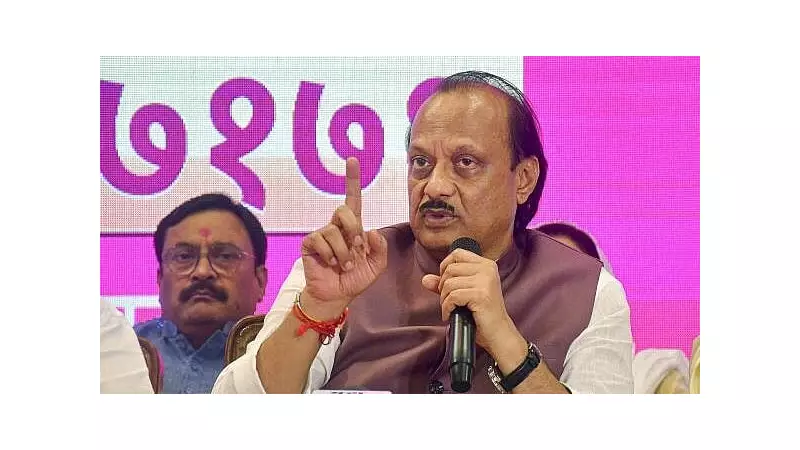
Senior Nationalist Congress Party leader Ajit Pawar has made a significant statement regarding the timing of corruption allegations against him, suggesting they consistently emerge during election periods. His remarks come amid the ongoing local bodies elections in Maharashtra that are determining leadership across multiple tiers of governance.
Political Charges During Election Season
Ajit Pawar openly addressed what he described as a recurring pattern in Indian politics. "Whenever there are polls, there are charges against me," the veteran politician stated, implying that the allegations are strategically timed to damage his political prospects during crucial electoral contests.
The NCP leader's comments gain particular significance given the current electoral landscape in Maharashtra. The state is conducting elections for various local governance bodies that form the backbone of grassroots democracy and development implementation.

Comprehensive Local Body Elections Underway
The ongoing electoral process in Maharashtra represents one of the most extensive exercises in local democracy. Voters across the state are participating in elections for municipal corporations, municipal councils, town panchayats, zilla parishads, and panchayat samitis.
These local bodies play crucial roles in day-to-day governance and service delivery, making these elections particularly significant for both political parties and citizens. The outcomes will determine administrative control over urban and rural development initiatives throughout India's second-most populous state.
Context and Timing of Remarks
Pawar's statement was recorded and published on November 9, 2025, at 12:39 IST, as confirmed by journalist Mrityunjay Bose. The timing places his comments squarely within the active campaign period for the local body elections.
The political veteran's observation about charges surfacing during election cycles reflects a broader pattern noted by many political analysts in India. Such allegations often become central talking points during campaign seasons, regardless of their eventual legal outcomes.
As Maharashtra continues through its multi-phase local body elections, Pawar's remarks highlight the intense political competition characterizing these contests. The results will significantly influence the balance of power at the grassroots level and potentially shape future political alignments in the state.