AIADMK Unveils Second Wave of Candidates for Tamil Nadu Assembly Elections
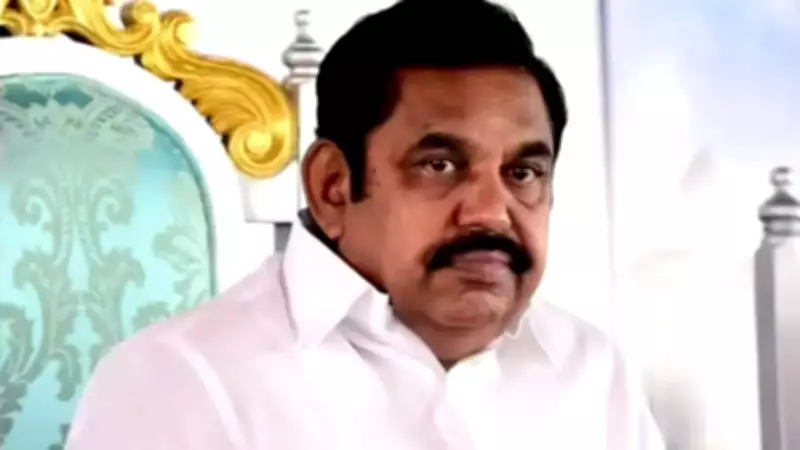
In a significant political development, AIADMK general secretary Edappadi K Palaniswami on Friday released the party's second list of candidates for the upcoming April 23 assembly polls in Tamil Nadu. The announcement featured 127 nominees, which when combined with the initial 23 candidates from the first list, brings the party's total candidate count to 150.
Continuity Strategy with Sitting Legislators
The comprehensive list reveals the AIADMK's strategic emphasis on continuity, as the party has largely retained its sitting legislators. This calculated move signals the leadership's confidence in their existing representatives and their established electoral performance. As many as 46 sitting Members of Legislative Assembly have secured renomination in this second list, demonstrating the party's preference to rely on incumbents and their accumulated experience in election campaigning.
Political analysts interpret this approach as a deliberate attempt to consolidate the AIADMK's existing vote base while simultaneously avoiding potential internal dissent ahead of the crucial polls. By banking on incumbency advantages, local influence, and organizational strength, the party leadership appears to be positioning itself for electoral success through familiar faces and proven track records.

Notable Exclusions and New Entries
While the list showcases continuity, it also features some significant changes. Former Speaker P Dhanapal and former ministers Sevoor S Ramachandran and M Paranjothi were notably left out of the candidate selection. Additionally, senior functionary S Semmalai voluntarily opted out of the electoral race, creating opportunities for new candidates.
Among the most prominent new entries is Leema Rose, wife of lottery baron Martin, who has been nominated for the Lalgudi constituency. Rose recently resigned from the IJK party and joined the AIADMK, making her inclusion one of the notable picks in this second candidate list.
Representation and Remaining Constituencies
The candidate selection reveals interesting patterns in representation. Sixteen women candidates have been included in the list, reflecting some attention to gender diversity. However, minority representation remains minimal with only one Muslim candidate fielded, who will contest from the Palayamkottai constituency.
Regarding geographical coverage, the party leadership has yet to announce candidates for 15 constituencies in Chennai, excluding Royapuram. Political sources indicate that senior functionaries and district secretaries are likely to be fielded in these remaining urban constituencies, suggesting strategic placement of experienced organizers in key battleground areas.
Electoral Implications and Strategic Positioning
The AIADMK's candidate selection strategy offers valuable insights into their electoral approach. By renominating a substantial number of sitting MLAs, the party demonstrates confidence in their performance and connection with constituents. This continuity-focused strategy aims to leverage established relationships, local networks, and proven electoral machinery.
As Tamil Nadu prepares for the April 23 assembly polls, the AIADMK's candidate announcements set the stage for what promises to be a closely contested election. The balance between experienced incumbents and strategic new entrants reflects a calculated approach to maintaining core support while potentially expanding the party's appeal in specific constituencies.