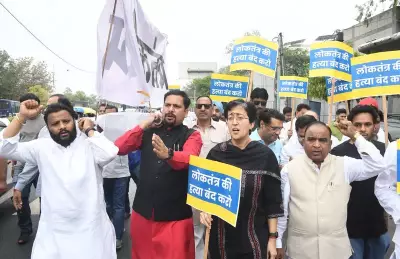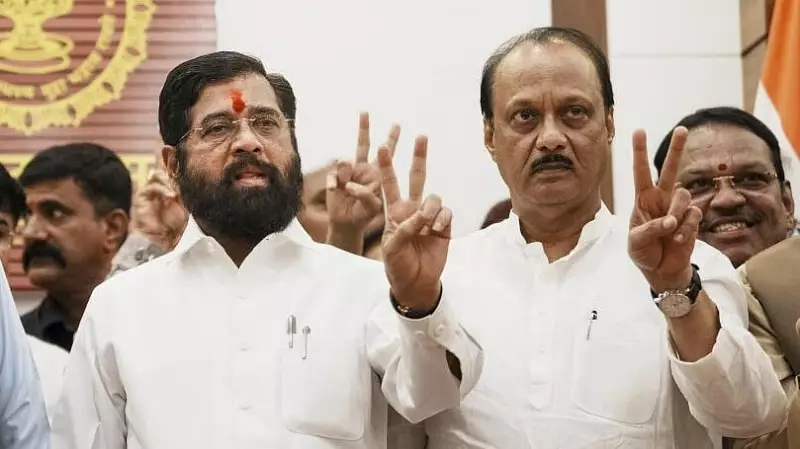
A significant political controversy has erupted in Maharashtra following the unopposed election of a large bloc of corporators from the ruling Maha Yuti alliance. The opposition has raised serious questions over the process, labeling it as undemocratic and unprecedented in the state's political history.
Opposition Sounds Alarm Over Unprecedented Event
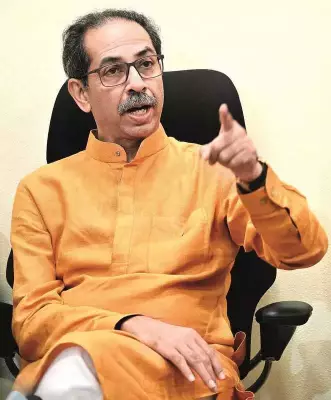
Shiv Sena (UBT) Rajya Sabha member and prominent opposition voice, Sanjay Raut, led the charge against the developments. He asserted that such a large-scale unopposed election has never been witnessed before, not just in Maharashtra but across the entire nation. "The sheer number is shocking and raises fundamental questions about the health of our local democratic institutions," Raut was quoted as saying. The opposition's core argument hinges on the claim that the process lacked genuine competition, potentially undermining the principles of fair representation.
The Core Facts of the Case
The controversy centers on the election of 68 corporators belonging to the Maha Yuti coalition, which includes parties like the Bharatiya Janata Party (BJP), Eknath Shinde-led Shiv Sena, and the Ajit Pawar faction of the NCP. These candidates were declared elected without any contest, a process facilitated by the Maharashtra State Election Commission (SEC). The official notification and results were confirmed on 03 January 2026. The absence of opposing candidates in so many wards has become the focal point of the political storm.

Implications and Political Repercussions
This event is set to have major repercussions for Maharashtra's political landscape:
- Credibility of Local Bodies: The opposition claims the event damages the credibility of municipal and local body elections, which are the foundation of grassroots democracy.
- Accusations of Tactical Manoeuvring: Allegations are being made that the ruling alliance used pressure, negotiations, or other tactics to ensure no nominations were filed against their candidates in these wards.
- Future Electoral Strategy: This incident is likely to become a key talking point for opposition parties in the lead-up to future state and local elections, framing the ruling alliance as undermining democratic norms.
The Maharashtra State Election Commission now faces increased scrutiny over its role in overseeing the nomination and election process. While the election of candidates unopposed is technically permissible under law, the scale of this occurrence, as highlighted by Sanjay Raut, is what makes it a unique and contentious issue. The political discourse in the state is now firmly focused on the methods and fairness of urban local body polls.