In a startling revelation that has sent shockwaves through the state's public distribution system, Himachal Pradesh has uncovered massive irregularities in its Food Security Act implementation. A comprehensive audit has identified approximately 20% of ration card holders as potentially fraudulent beneficiaries, raising serious questions about the efficiency of the welfare scheme.
Massive Scale of Suspicious Beneficiaries Uncovered
The Food and Civil Supplies Department's investigation has exposed that 2.82 lakh ration cards out of the total 14.10 lakh issued under the National Food Security Act (NFSA) show clear signs of being fake or ineligible. This represents exactly one-fifth of all beneficiaries in the state who have been receiving subsidized food grains meant for the genuinely needy.
This alarming discovery came to light during a thorough review of the beneficiary database. The department found numerous instances where the same individuals were registered multiple times across different categories or locations. Other cases involved clearly ineligible persons receiving benefits intended exclusively for below-poverty-line families and other vulnerable groups.

Government Springs into Action
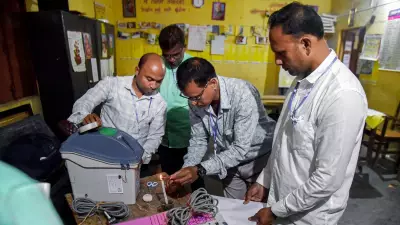
Responding to these findings, the state government has launched an extensive verification drive across all 12 districts of Himachal Pradesh. Food and Civil Supplies Minister Sanjay Awasthy confirmed that teams have been constituted at the district level to physically verify each and every suspicious case identified in the audit.
The verification process involves cross-checking documents, conducting field visits, and interviewing beneficiaries to establish their genuine eligibility. Minister Awasthy emphasized that the government is determined to clean up the system and ensure that only deserving families receive the benefits of the Food Security Act.
Broader Implications for Food Security
This large-scale identification of fake ration cards highlights significant loopholes in the implementation of one of the country's most important food welfare programs. The National Food Security Act aims to provide subsidized food grains to approximately 75% of the rural population and 50% of the urban population, specifically targeting vulnerable sections of society.
The discovery of such widespread irregularities means that precious resources have been diverted away from genuinely needy families for an extended period. Each fake card represents not just financial loss to the exchequer but also deprivation of essential food supplies to those who rightfully deserve them under the law.
The state government has assured that once the verification process is complete, all fake cards will be cancelled immediately. Furthermore, officials have indicated that legal action may be initiated against those found responsible for creating these fraudulent beneficiaries, whether they are government employees or private individuals.
This cleanup operation is expected to save significant government resources while simultaneously making more food grains available for distribution to legitimate beneficiaries. The department is also working on strengthening the verification process to prevent such large-scale fraud from occurring in the future.