Trichy Child Abuse Scandal Reveals Critical Oversight Failures in Protection System
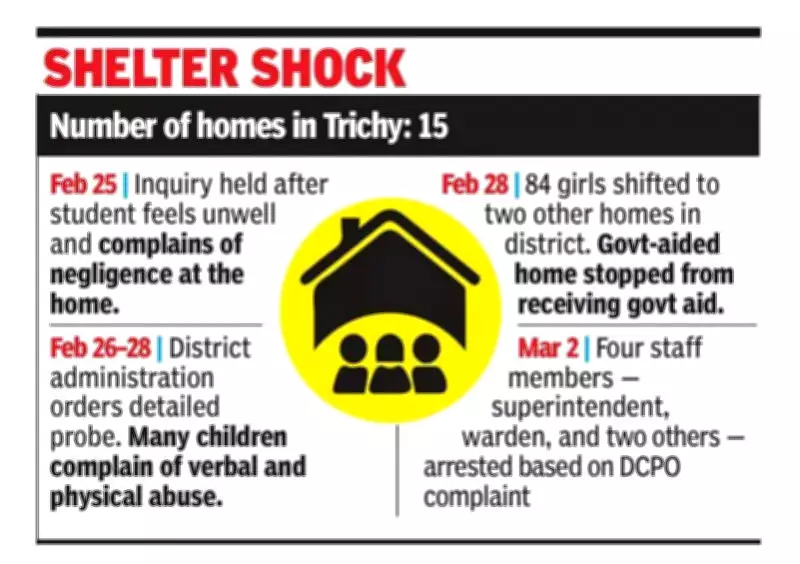
The recent case of verbal and physical abuse targeting vulnerable children at a government-aided home in Trichy has sent shockwaves through the community, exposing significant monitoring lapses within the district child protection office. Following the disturbing revelations, authorities were forced to relocate 84 girls to alternative care facilities, turning a harsh spotlight on systemic failures in safeguarding mechanisms.
Systemic Vulnerabilities in Child Care Infrastructure
Sources within the child welfare system reveal that Trichy district currently hosts approximately 500 children in need of care and protection across 15 different residential facilities. While the administration responded to the crisis by suspending government subsidies to the implicated home and having AWPS police arrest four staff members, child rights activists have strongly criticized what they describe as a reactionary rather than preventive approach to child protection.
"The action is more reactionary instead of finding ways to prevent something like this in future," emphasized child rights activist A Devaneyan. "The District Level Child Protection Committee, led by the district collector, should step up regular monitoring mechanisms to ensure that field visits are not treated as ritualistic."

Institutional Failures and Accountability Gaps
An inquiry committee established by the district collector uncovered troubling deficiencies in oversight protocols. The investigation specifically flagged that the institutional care protection officer responsible for monitoring the home had not conducted adequate inspections, allowing abusive conditions to persist undetected. As a disciplinary measure, this officer has been formally issued a notice demanding an explanation for the oversight failures.
Vijaya, chairperson of the Tamil Nadu Commission for Protection of Child Rights, who personally visited the affected children, provided disturbing context: "From interacting with the 80-odd students, it was noticed that the District Child Protection Officer at the time and the institutional care protection officer had been careless in not noticing the issue earlier, and this has been included in our report. This issue has been going on since last year."
Procedural Breakdowns in Mandated Safeguards
The case has exposed fundamental breakdowns in mandated protection protocols. According to established procedures, home committee meetings—which should involve the District Child Protection Officer, institutional care protection officer, Child Welfare Committee members, and other stakeholders for each residential facility—are required to be conducted every three months. Activists have alleged that these critical meetings have not been properly convened, creating dangerous gaps in oversight.
Former District Child Protection Officer P Ragul Ganthi offered a contrasting perspective on the allegations, stating: "It is just that the institutional care protection officer had not submitted a report in the last quarter." This defense highlights the bureaucratic complexities and accountability ambiguities within the child protection system.
Administrative Changes and Ongoing Challenges
The district had been operating with an interim District Child Protection Officer in charge for approximately one month following the routine transfer of the previous officer. In a development aimed at addressing the crisis, a new full-time District Child Protection Officer named Saravanan officially assumed responsibilities on Wednesday, bringing hope for improved oversight and accountability moving forward.
The Trichy case underscores broader concerns about child protection mechanisms across government-aided facilities. With approximately 500 vulnerable children distributed across 15 homes in the district alone, the need for robust, preventive monitoring systems has never been more urgent. The relocation of 84 girls represents not just a response to immediate danger, but a stark indictment of protection systems that failed to prevent abuse before it reached crisis proportions.