NCERT Judiciary Chapter to be Revised Under Committee Led by Former Supreme Court Judge
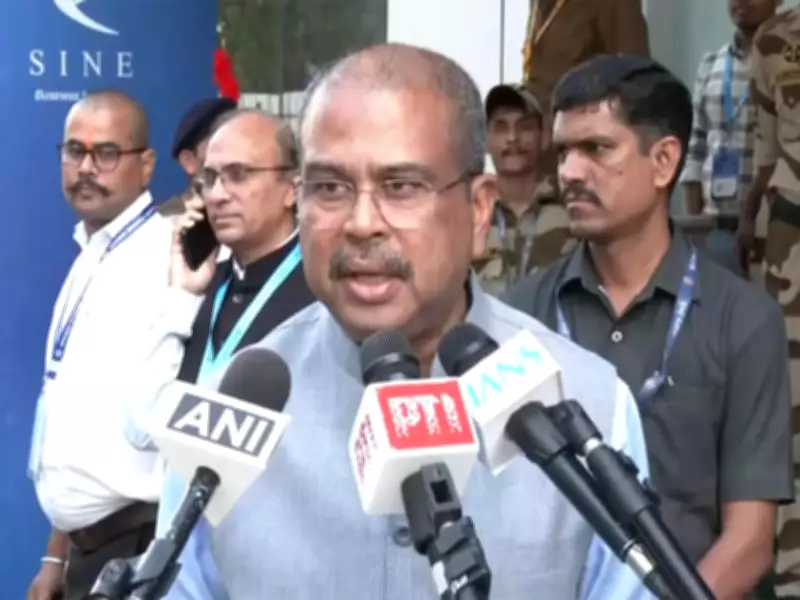
In a significant development for India's education system, Union Education Minister Dharmendra Pradhan has announced that the Centre will revise a contentious NCERT textbook chapter on the judiciary. This revision will be conducted under the supervision of a committee led by former Supreme Court judge Indu Malhotra.
Supreme Court Guidance and Transparency Goals
The minister clarified that this move follows specific guidance from the Supreme Court of India. The primary objective of this revision effort is to ensure greater transparency and balance in school education materials, addressing concerns that have been raised about the existing content.
"The government's responsibility is to ensure that no one faces injustice or discrimination. We will abide by whatever directions the court issues," Pradhan stated, emphasizing the commitment to judicial guidance in educational matters.

Broader Educational Priorities and Challenges
Outlining the ministry's broader priorities, Pradhan highlighted that India's education system currently serves approximately 30 crore students, placing immense responsibility on policymakers. He emphasized several key focus areas for improvement:
- Expanding access to quality educational resources
- Implementing technology-driven learning approaches
- Improving educational infrastructure nationwide
- Strengthening research ecosystems across institutions
Remarkable Growth in Global University Rankings
The minister pointed to significant progress in India's higher education sector, noting that the country's presence in global university rankings has increased dramatically over the past decade. Specifically, the number of Indian institutions featured in QS rankings has risen from just 54 before 2014 to approximately 290 institutions currently.
Pradhan attributed this substantial growth to sustained policy focus on higher education reforms and systematic improvements across the sector.
Integration of Emerging Technologies in Education
Looking toward the future, Pradhan stressed the critical role of emerging technologies in transforming India's education landscape. He specifically highlighted artificial intelligence, noting that AI will be integrated into learning systems both as a subject of study and as a practical educational tool.
"Students must be equipped for future challenges through modern technologies," the minister emphasized, signaling a forward-looking approach to educational development.
UGC Regulations and Sub Judice Matters
Regarding the recent controversy involving UGC regulations aimed at maintaining standards, quality, and equity in Indian higher education, Pradhan refrained from providing detailed comments. He noted that the matter is currently sub judice, indicating that the government will await judicial proceedings before taking further action on this front.