Karnataka Public Libraries Overhaul Procurement System, Lift Price Caps
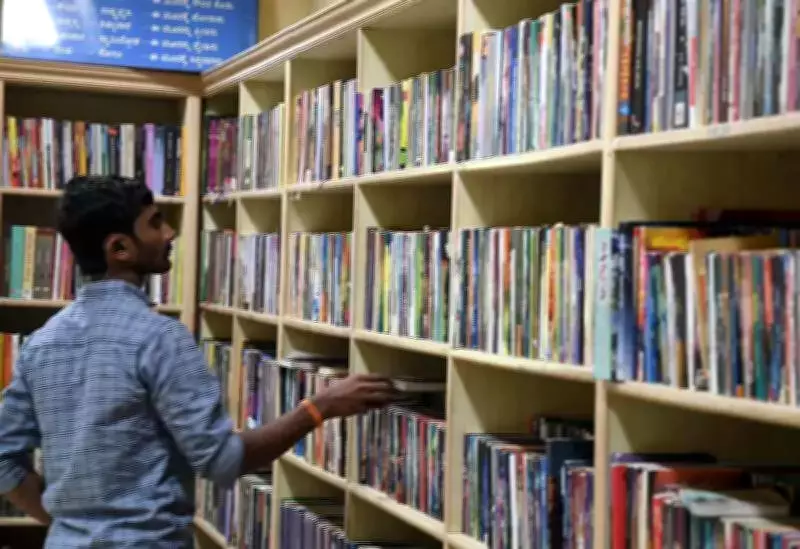
In a significant policy shift, public libraries across Karnataka have received approval to stock works by acclaimed authors like Booker Prize winner Banu Mushtaq and other popular writers. This follows a comprehensive overhaul of the state's book procurement system that eliminates long-standing price restrictions and substantially expands reader-driven purchasing.
Historic Policy Change After Two Decades
The libraries department issued an official order on Wednesday that removes price ceilings that previously hindered the acquisition of high-demand titles, including contemporary bestsellers and competitive examination preparation guides. This reform represents what officials describe as a "historic shift" in procurement methodology after nearly twenty years of restrictive practices.
"It marks a historic shift in the way we procure books, after nearly 20 years," confirmed a department official, highlighting the magnitude of this policy transformation.

Reader Demand Allocation Quadrupled
Under the revised framework, the proportion of books purchased based directly on reader requests has been dramatically increased from 10% to 40% of total acquisitions. This change responds directly to concerns raised in December reports that students were compelled to purchase their own exam preparation materials due to outdated collections available in government libraries.
Previously, libraries could allocate only up to 10% of their budget toward reader-requested titles in city and district facilities, with stringent price and specification requirements that often excluded popular contemporary works.
End of Restrictive Specifications
The old system imposed fixed parameters for book dimensions and remuneration per page, creating barriers that prevented many sought-after titles from even reaching state and district-level committee consideration. Books that failed to meet these exacting criteria were systematically excluded from procurement processes.
"Now, this balance will shift," officials emphasized. "Several competitive exam books and bestsellers by authors such as SL Bhyrappa and Mushtaq, which earlier did not fall within the price limits, can now be purchased."
Current Procurement Imbalance Addressed
The urgency of these reforms becomes evident when examining the 2022 procurement cycle currently underway. In that process, not a single book was selected in either the competitive examination or textbook categories. Of the 3,965 books procured, a disproportionate 3,005 were literature titles, with funds originally allocated for other segments remaining unused and eventually redirected to literature purchases.
The new system mandates that "only the latest edition" of bestsellers, competitive examination materials, and other high-demand titles be purchased, with cost considerations no longer serving as a primary barrier.
Streamlined Request and Approval Process
Under the revised framework, readers can now submit book requests directly to chief librarians. "Readers can now place requests with the chief librarian," explained Basavarajendra H, Commissioner of the Department of Public Libraries. "We will streamline these demands."
District-level committees responsible for final approvals will be reconstituted to include academic experts and representatives from book-reading clubs, ensuring more diverse perspectives in selection decisions. Officials anticipate that requested books will reach library shelves within approximately one month of approval.
Revitalizing Library Culture and Accessibility
"The new arrivals segment is bound to infuse more life into government libraries and strengthen reading habits," Commissioner Basavarajendra noted. "These were once popular hubs for improving language and critical thinking." He projected that the full impact of these changes would become visible over the next five years as the system matures.
Jayanna, Bengaluru District Secretary of the All India Democratic Youth Organisation, welcomed the policy shift: "This is a welcome change, considering most libraries are not updated and often only have inexpensive books. If expensive books in high demand are on these shelves, several students who otherwise would not be exposed to them, can access them."

He further emphasized that expanding library services to hobli (sub-district) levels would help incentivize reading habits across broader demographic segments, particularly benefiting students from economically disadvantaged backgrounds who lack access to costly educational materials.
Officials express confidence that these comprehensive reforms will gradually revive readership in government libraries, making them more responsive to contemporary educational needs and literary interests while restoring their historical role as community centers for intellectual engagement and skill development.