Parliamentary Chaos Erupts Over Unpublished Army Chief Memoir Reference
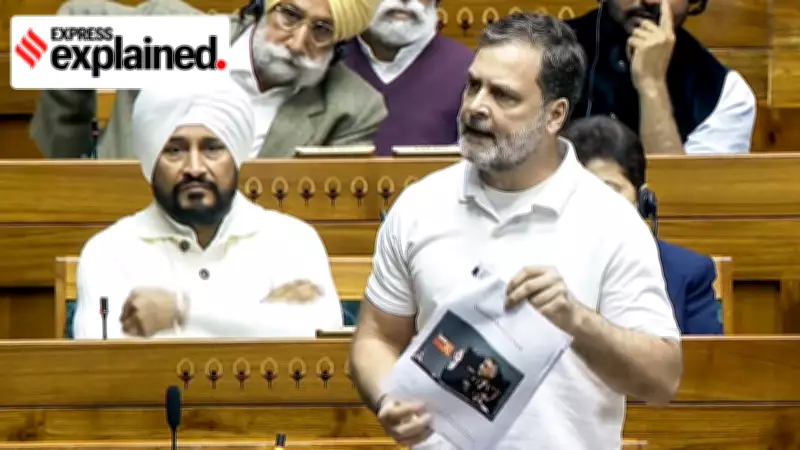
The Lok Sabha descended into turmoil on Monday, February 2, 2026, as Leader of the Opposition Rahul Gandhi sparked controversy by referencing the unpublished memoirs of former Chief of Army Staff General M M Naravane (Retd). The incident occurred during the ongoing Budget Session in New Delhi, creating immediate uproar among senior BJP leaders including Amit Shah, Rajnath Singh, and Kiren Rijiju, who strongly objected to Gandhi reading from a book that has not been officially released to the public.
The Controversial Book: Four Stars of Destiny
General Naravane's memoir, titled Four Stars of Destiny, was originally scheduled for publication in January 2024 but remains unreleased nearly two years later. The controversy intensified in December 2023 when news agency PTI published excerpts from the manuscript, revealing previously undisclosed details about critical national security matters.
The unpublished book contains significant revelations about:

- The Indian leadership's response to the 2020 eastern Ladakh standoff with China
- Internal discussions regarding the Agnipath recruitment scheme before its 2023 launch
- Strategic military insights from General Naravane's tenure as Army Chief
Why the Army is Reviewing the Publication
The Indian Army initiated a formal review of the book following the PTI excerpts publication, operating under strict regulations governing military publications. According to Section 21 of The Army Rules, 1954, serving personnel face significant restrictions regarding information disclosure.
Key provisions of The Army Rules include:
- Prohibition against publishing any material related to political questions or service subjects without prior government sanction
- Restrictions on communicating service information directly or indirectly to the press
- Limitations on delivering lectures or addresses containing service-related information without approval
The Rules define "service information" broadly to include matters concerning defense forces, national security, and India's external relations. However, officials note these regulations may not apply if military personnel write books unrelated to their service duties or of purely literary or artistic nature.
Regulations for Retired Defense Personnel
The situation becomes more complex regarding retired officers like General Naravane. The Army Rules do not explicitly outline procedures for retired defense services personnel publishing books. Officials have indicated that the review process might draw from the Central Civil Services (Pension) Rules, 1972, particularly after their June 2021 amendment by the Department of Personnel and Training.
Important distinctions in publication rules:
- Retired government servants from intelligence or security organizations require prior permission for publications related to their former work
- Retired civil servants not belonging to sensitive categories generally do not need government sanction for publishing books
- The Armed Forces technically fall outside the purview of Central Civil Services Rules, creating regulatory ambiguity
Historical Context: Military Publications by Senior Officers
This is not the first instance of senior Army officers authoring books on military subjects. Several former service chiefs have published memoirs and analyses that have contributed to public understanding of defense matters while navigating regulatory requirements.
Notable examples include:

- Kargil: From Surprise To Victory by General V P Malik (retd)
- Courage and Conviction: An Autobiography by General V K Singh (retd)
- Blind Men of Hindoostan: Indo-Pak Nuclear War and Of Some Consequence: A Soldier Remembers by General K Sundarji
The current controversy highlights the delicate balance between transparency, national security considerations, and the right to share professional experiences. As Parliament debates the propriety of referencing unpublished materials, the broader questions about information regulation for defense personnel remain unresolved, with implications for future military publications and parliamentary discourse.