Parliamentary Committee Mandates Comprehensive Review of UNESCO Site Maintenance
A parliamentary panel has issued a significant directive to the government, calling for a comprehensive review of maintenance standards at India's UNESCO World Heritage Sites. This move comes amid growing concerns about the preservation and upkeep of these internationally recognized cultural treasures.
Government Directed to Assess Current Preservation Practices
The parliamentary committee has specifically instructed relevant government agencies to conduct a thorough evaluation of existing maintenance protocols and conservation efforts across all UNESCO-designated sites in the country. This review is expected to identify gaps in current practices and recommend substantial improvements to ensure these heritage sites receive the highest standard of care and protection.
Notable UNESCO Sites Under Scrutiny
The parliamentary directive encompasses several prominent UNESCO World Heritage Sites across India, including:

- Mahābodhi Temple Complex at Bodh Gaya in Bihar, one of Buddhism's most sacred pilgrimage sites
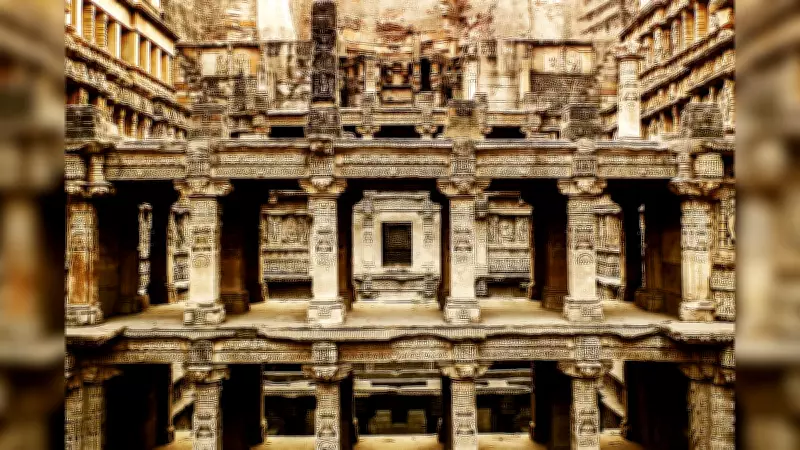
- Rani ki Vav (The Queen's Stepwell) at Patan in Gujarat, an exceptional example of subterranean water architecture
- Chhatrapati Shivaji Terminus (formerly Victoria Terminus) in Mumbai, a magnificent example of Victorian Gothic Revival architecture
- Jantar Mantar in Jaipur, an extraordinary collection of astronomical instruments
- Historic City of Ahmedabad in Gujarat, representing centuries of architectural heritage
Enhanced Preservation Standards Required
The parliamentary committee's intervention highlights the critical need for enhanced preservation standards that meet international benchmarks. These sites represent not only India's rich cultural heritage but also serve as significant tourist attractions that contribute substantially to local economies and national pride.
The comprehensive review is expected to establish new protocols for regular maintenance, conservation techniques, visitor management, and sustainable preservation practices that align with UNESCO's global standards for world heritage protection.
Timely Action on Cultural Heritage Protection
This parliamentary initiative comes at a crucial time when many heritage sites face challenges from environmental factors, increasing tourist pressure, and the natural aging of historical structures. The committee's directive emphasizes the government's responsibility to protect these cultural assets for future generations while maintaining their authenticity and historical significance.
The review process will likely involve consultations with heritage conservation experts, archaeological authorities, and international preservation organizations to develop comprehensive maintenance guidelines that ensure India's UNESCO sites continue to receive world-class care and protection.