Women's Quota Consensus Lost in Parliamentary Storm
The long-pending Women's Reservation Bill, which seeks to allocate 33% of seats for women in Parliament and state legislatures, has once again become a focal point of intense political debate. Recent parliamentary sessions have seen a storm of disagreements, with consensus on the bill's implementation appearing to be lost amid escalating political tensions and procedural hurdles.
Historical Context and Current Impasse
First introduced in 1996, the bill has faced numerous delays and opposition over the years. Proponents argue it is essential for gender equality and empowering women in governance, while critics raise concerns about its practicality and potential impact on existing political structures. The current parliamentary storm has highlighted deep-seated divisions, with parties failing to agree on key aspects such as the timeline for implementation and the inclusion of sub-quotas for marginalized groups.
Political Disputes and Procedural Challenges
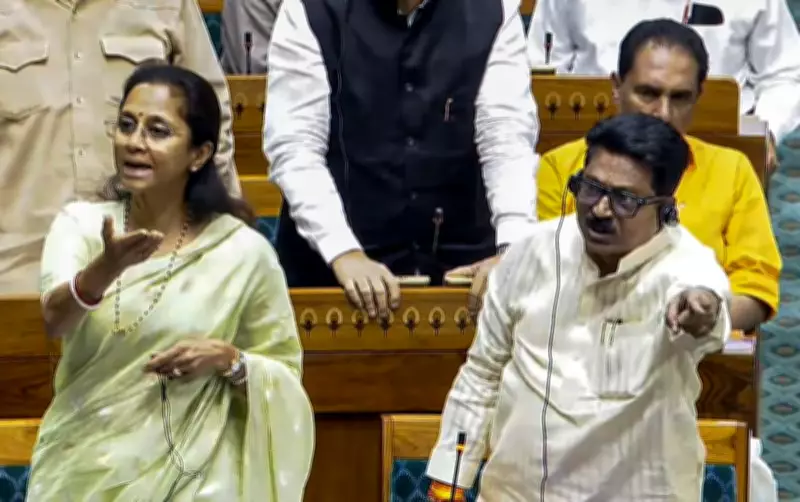
In recent discussions, political leaders have clashed over the bill's provisions, leading to heated exchanges and stalled progress. Some parties demand immediate enactment, while others call for further deliberation and amendments. This lack of unity has resulted in the consensus being lost, with the bill remaining in legislative limbo. The parliamentary storm has also been fueled by broader issues of governance and party politics, diverting attention from the bill's core objectives.

Implications for Gender Representation
The failure to reach consensus on the Women's Reservation Bill has significant implications for women's representation in India's democratic institutions. Without this quota, women continue to be underrepresented in legislatures, affecting policy-making and social progress. Experts warn that the ongoing parliamentary turmoil could further delay meaningful reforms, undermining efforts to achieve gender parity in politics.
Way Forward and Public Discourse
To move forward, stakeholders must prioritize dialogue and compromise to rebuild consensus. Public discourse has emphasized the need for bipartisan support and clear implementation strategies. As the parliamentary storm subsides, renewed efforts are required to address concerns and advance the bill, ensuring it aligns with constitutional principles and societal needs. The debate underscores the complex interplay between politics, representation, and social change in India's evolving democracy.