Women in Elections: Parties' Rhetoric vs. Action Gap Exposed
In the high-stakes arena of Indian elections, political parties often champion the cause of women's representation with lofty rhetoric and public promises. However, a stark reality emerges when examining the actual selection of candidates, revealing a significant gap between words and deeds. While comprehensive data on the family backgrounds of the latest candidates remains unavailable, a recent study sheds light on a troubling trend: women from established political families are disproportionately more likely to secure election tickets compared to those without such connections.
The Study's Findings on Candidate Selection
The research indicates that political parties, despite their vocal support for gender equality and women's empowerment, frequently default to familiar networks when distributing tickets. This practice means that women who are relatives of existing politicians or come from dynastic political backgrounds have a markedly higher chance of being nominated. The study suggests that this reliance on political lineages undermines efforts to bring diverse female voices into the political mainstream, perpetuating a system where access often depends on familial ties rather than merit or grassroots support.
Implications for Gender Representation in Politics
This pattern raises critical questions about the authenticity of parties' commitments to increasing women's participation in governance. On one hand, parties publicly advocate for policies like women's reservation quotas and inclusive politics. On the other, their candidate selection strategies often favor women from privileged political circles, potentially sidelining aspiring female leaders from non-political backgrounds. This contradiction highlights a broader issue in Indian democracy, where symbolic gestures sometimes overshadow substantive action toward gender parity.

The consequences of this approach are multifaceted:
- It may limit the diversity of perspectives in legislative bodies, as women from varied socio-economic strata struggle to break into politics.
- It could reinforce existing power structures, making it harder for new entrants to challenge the status quo.
- It risks alienating voters who seek genuine representation and reform in political processes.
Broader Context and Future Outlook
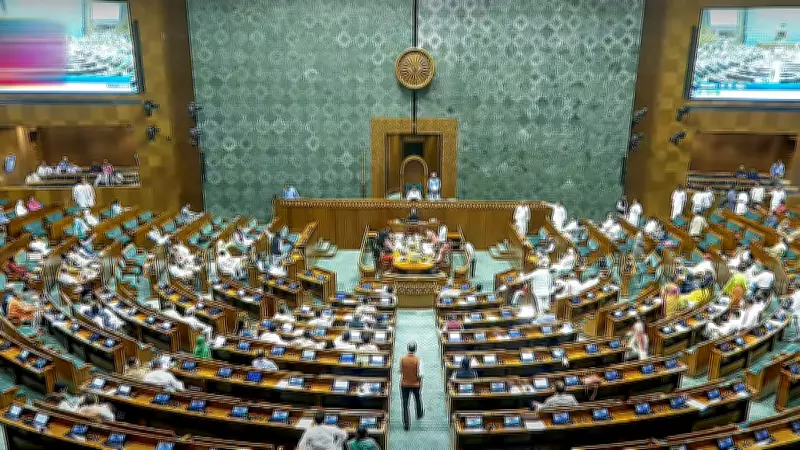
This issue gains urgency against the backdrop of ongoing debates about women's reservation in Parliament and state assemblies. While legislative measures aim to mandate a minimum percentage of seats for women, the study's findings suggest that without changes in party practices, such quotas might merely benefit those already within political dynasties. Experts argue that for real progress, parties must adopt more transparent and merit-based candidate selection processes, actively recruiting women from all walks of life.
As India continues to evolve its democratic practices, bridging the gap between rhetoric and action on women's representation will be crucial. The study serves as a reminder that true empowerment requires not just policies but a fundamental shift in how political opportunities are distributed, ensuring that every woman, regardless of her family background, has a fair chance to contribute to the nation's governance.