Rising Violence Among Doaba Youth: A Multi-Faceted Crisis
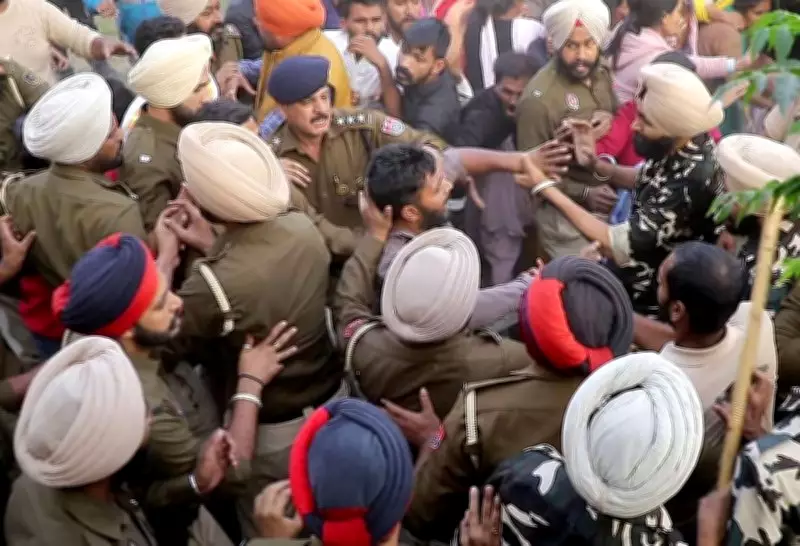
Repeated incidents of violence, angry outbursts, and crimes in cities such as Jalandhar and Kapurthala are increasingly linked to youth acting out and expressing aggression in ways that harm the public. Experts point to a combination of unemployment, drug abuse, social media glorification of gun culture, and weakening family structures as key drivers. More than aggression itself, many youngsters appear motivated to go against the established order to seem brave and fearless in the digital world, ignoring real-world consequences.
Underperforming sectors such as job placement and digital or progressive development in the education system are among the many issues that can negatively influence youngsters and push them towards rebellion, according to Lakshit Jindal. He argues that the government must improve these sectors, equip the youth with better tools for success, and strictly monitor social media trends to ban harmful content.
Proactive Policing and Socio-Economic Solutions Needed
Incidents of broad-daylight murders, robberies, and other violent crimes have had a deeply damaging effect on civil society, with frequent reports of arson, road rage, carjacking, chain-snatching, and rape leaving citizens feeling insecure. Traditionally, Punjab has been a beacon of communal harmony, yet some unemployed youth, misled by anti-social elements or hostile cross-border forces, become instruments for disturbing public order, says Nirmaljit Singh Chatrath. He highlights that limited job opportunities drive youngsters to migrate overseas or become involved in infamous activities out of frustration.

Despite ongoing campaigns by the state police against hardened criminals and organised crime networks, miscreants continue to create disturbances. Recent gruesome incidents in Jalandhar, Kapurthala, and adjoining areas have drawn attention to these trends. Addressing the twin challenges of lawlessness and unemployment must become a priority, with law-enforcement agencies strengthening surveillance through advanced technology, intelligence gathering, and continuous patrolling.
Drug Crisis and Local Unrest Fuel Tensions
Sucha Singh Sagar notes that the growing anger among youth stems from a combination of socio-economic issues and local unrest. The Punjab drug crisis and high unemployment remain primary factors driving youth migration while contributing to frequent outbreaks of gang and police violence. Local incidents that have further fuelled tensions include drug overdose-related deaths and brutal public clashes in Kapurthala, such as disputes at weddings where a young man’s hand was severed.
JP Singh observes that many youngsters experience stress, anxiety, and frustration but hesitate to seek professional help due to the stigma surrounding mental health. He calls for greater employment opportunities, value-based education, sports and cultural engagement, accessible mental health support, and active parental and community involvement to channel youthful energy positively.
Cultural Shift: From Phones to Books
Preetpal Singh argues that unemployment, lack of direction, and mass media promoting violence through cinema, songs, and social media have created a toxic cocktail. A culture once rooted in poetry, reading, and creative pursuits like dance, painting, and singing has been replaced by hobbies characterised by speed and impatience, such as gaming, endless scrolling, and fast driving. Constant exposure to screens and glorification of masochistic tendencies have widened the disconnect with reality, contributing to a rise in crime, conflicts, and violence, with drugs making matters worse.
He emphasises that what is truly required is a cultural shift: an entire generation needs to get off phones and return to books, embracing the peaceful philosophies of the Gurus and poets that once formed Punjab’s foundational identity.

Decline in Cultural Gatherings and Empathy
Kanta Sharma points to a steady reduction in fairs, cultural gatherings, music festivals, youth melas, libraries, and public events as a direct correlate of rising crime. The numbing impact of constant screen exposure, 30-second video bytes, and a news cycle that graphically documents crime has gone largely unrecorded. This generation has been conditioned to demand, consume, and fight for what they want instead of being taught patience, sharing, and caring.
She notes that children are often brought up on mobile phones, and a generation not held accountable eventually does whatever it wants. The glorified culture of being constantly “fast” and “busy” has taken away the pause an entire generation deserved, altering the brains and mental make-up of many youngsters.
Unemployment and Frustration: A Dangerous Cocktail
Jasbir Singh asserts that the disturbing rise in violence reflects boiling frustration among young people unable to find stable, well-paying jobs despite hard work. This creates a deep sense of failure, making them easy prey for miscreants. When frustration remains unaddressed, even minor disagreements can escalate into violent confrontations. He warns that if governments fail to create meaningful employment opportunities and restore hope, this simmering frustration will continue to spill over into violence.
Komalpreet Kaur highlights that violence is often portrayed as a symbol of power, respect, and masculinity through social media, films, and songs. Violent acts are recorded, shared, and celebrated online, encouraging imitation. When violence becomes a shortcut to fame or dominance, even minor disputes can turn deadly.
Decline in Basic Humanity and Need for Fast-Track Justice
Pranshul Chawla cites excessive dependence on mobile phones and lack of meaningful work as key reasons behind growing anger and impatience. Constant social media exposure and instant gratification have reduced attention spans and tolerance for frustration. He notes a worrying decline in basic humanity and empathy, with people attacking or killing over trivial issues like parking disputes or road rage. The diminishing fear of consequences, whether due to weak law enforcement or desensitisation, exacerbates the problem.
Radhika Verma adds that people have become more restless, impatient, and intolerant, with unemployment and uncertainty fueling frustration. Excessive social media use creates a culture of constant comparison and exposure to harmful content, eroding empathy and basic human values.
Nancy stresses that strict and swift legal punishment is one of the most effective deterrents. Prolonged investigations and delayed trials weaken fear of the law. Fast-track court proceedings, timely convictions, and equal treatment of all accused can send a strong message that violence will not be tolerated.
Smayara points out that many young people find it harder to deal with everyday conflicts calmly, with small disputes increasingly turning into serious fights due to poor anger control and impulsive behaviour. Easy access to groups that back such behaviour encourages confrontation instead of compromise.
Rakshit Aggarwal concludes that patience and basic human decency seem to be disappearing, with people so short-tempered that even speaking up against wrongdoing invites fear. Strong and timely punishment is necessary to deter such behaviour and restore faith in law and order.