White House Press Secretary Condemns Philadelphia DA's Warning Against ICE Agents
White House Press Secretary Karoline Leavitt issued a sharp rebuke on Wednesday against Philadelphia District Attorney Larry Krasner, who had warned that federal immigration agents operating in the city could face arrest. Leavitt characterized Krasner's statements as "disgraceful" during a press briefing, questioning both the basis and the tone of his remarks.
Leavitt Defends ICE Personnel as Helpful, Not Criminal
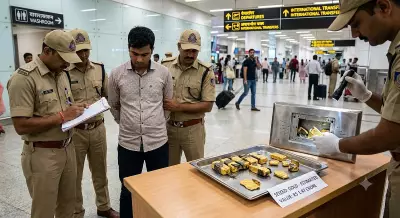
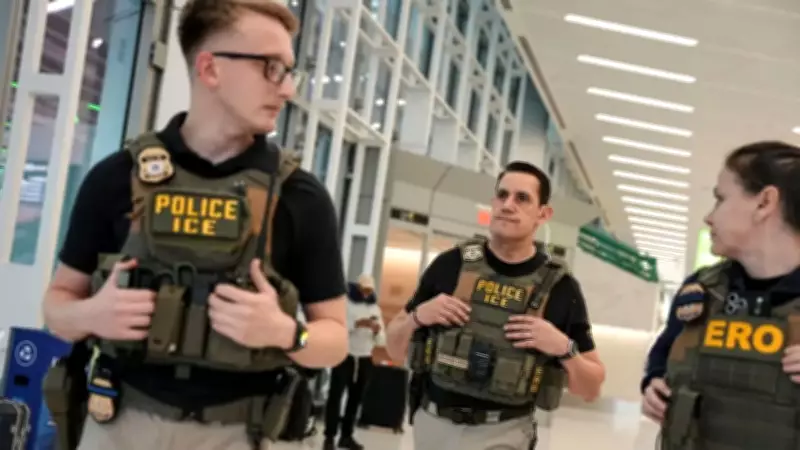
In her response, Leavitt strongly defended U.S. Immigration and Customs Enforcement (ICE) personnel, emphasizing that they are assisting travelers at airports rather than engaging in unlawful activities. "He's talking to the ICE agents who are handing out water bottles and helping people move through lines at airports," she stated, dismissing any suggestion that these agents are committing crimes.
Leavitt pointed out that ICE officers are "great people" performing critical responsibilities that extend beyond airport assistance to maintaining public safety nationwide. This includes tackling serious criminal threats, underscoring the agency's broader role in law enforcement.

Administration's Firm Stance Amid Local Criticism
The White House press secretary also criticized Krasner's approach, suggesting he should engage directly with ICE personnel to understand their duties instead of issuing threats. Her comments highlighted the administration's unwavering support for federal agents in the face of criticism from local officials.
This defense comes as part of a broader context where federal and local authorities sometimes clash over immigration enforcement policies.
Krasner's Original Warning to ICE Agents
Earlier, District Attorney Krasner had warned that ICE agents operating in Philadelphia could face legal consequences if they violated local laws. He asserted that any individual committing offenses within the city's jurisdiction would be prosecuted, regardless of federal authority.
Krasner further clarified that presidential pardons would not shield individuals from local prosecution. He stressed that his office would take action if laws were broken, while maintaining that his role is to uphold the Constitution and protect public safety.
The exchange between Leavitt and Krasner underscores ongoing tensions between federal immigration enforcement and local jurisdictions, particularly in cities with differing approaches to immigration policy.