West Bengal 2026 Assembly Elections: Voter Deletion Figures Remain Unclear as EC Publishes Supplementary List
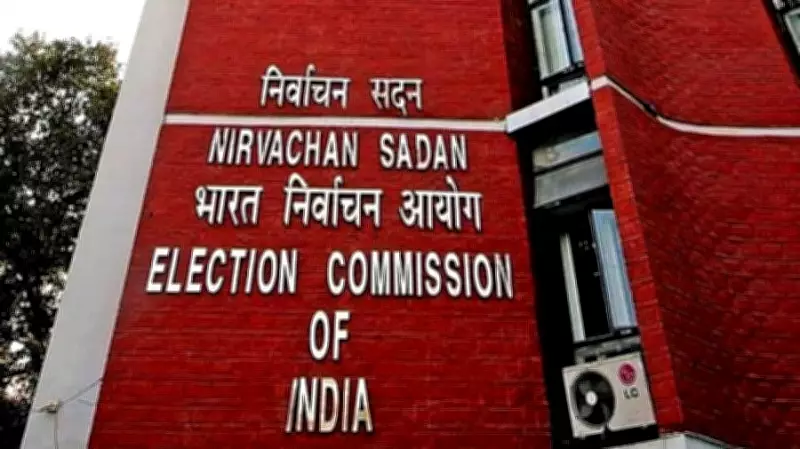
In a significant development ahead of the West Bengal Assembly Elections scheduled for 2026, the Election Commission of India (EC) has released the first supplementary voters' list. However, this move has been overshadowed by a lack of clarity regarding the precise number of voters deleted from the electoral rolls, sparking questions about transparency in the electoral process.
Midnight Publication of Supplementary List
The Election Commission published the booth-wise first supplementary voters' list on its official website around midnight on March 24, 2026. This list is part of the ongoing Special Intensive Revision (SIR) exercise aimed at updating and purifying the electoral database in West Bengal. The timing of the release, just after midnight, has drawn attention, though the EC has not provided an official explanation for this schedule.
Ambiguity Over Voter Deletion Numbers
Despite the publication of the supplementary list, the Election Commission has not disclosed the exact number of voters who have been deleted from the rolls. This omission has led to concerns among political observers and stakeholders who are seeking detailed data to assess the impact of the revision process. The lack of specific figures makes it challenging to evaluate the scale of voter deletions and their potential implications for the upcoming elections.

Context of Special Intensive Revision
The Special Intensive Revision is a critical exercise conducted by the Election Commission to ensure the accuracy and integrity of voter lists. It involves:
- Verifying existing voter entries
- Adding eligible new voters
- Removing duplicate or ineligible names
- Addressing discrepancies in voter information
In West Bengal, this process is particularly significant given the state's history of electoral disputes and the high stakes of the 2026 Assembly elections. The EC's efforts are intended to create a robust and transparent electoral framework, but the current lack of clarity on deletion numbers may undermine public confidence.
Political and Electoral Implications
The uncertainty surrounding voter deletion figures comes at a crucial time as political parties in West Bengal begin their preparations for the 2026 polls. Accurate voter data is essential for campaign strategies, resource allocation, and ensuring fair representation. Without clear information on deletions, parties may face difficulties in planning and could raise objections about the revision process.
Moreover, transparency in electoral procedures is vital for maintaining trust in democratic institutions. The Election Commission's role as an impartial body requires it to provide comprehensive data to all stakeholders, including the public, to foster an environment of accountability.
Looking Ahead
As the West Bengal Assembly Elections 2026 approach, it is expected that the Election Commission will address the concerns regarding voter deletion numbers. Further updates and clarifications may be issued in the coming weeks as the revision process continues. Stakeholders are urging the EC to enhance transparency by releasing detailed breakdowns of additions and deletions to ensure a smooth and credible electoral exercise.
The publication of the supplementary list marks a step forward in the electoral preparation, but the unresolved questions highlight the need for greater openness in the EC's operations. The focus now shifts to how the Commission will respond to these transparency demands in the lead-up to the elections.