TMC MP's Children and University Professors Face Electoral Adjudication Without Prior Notice in Kolkata
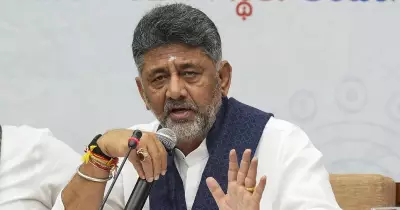
In a controversial development, Trinamool Congress MP and senior advocate Kalyan Banerjee has found his family unexpectedly drawn into an electoral scrutiny muddle by the Election Commission of India. His two children, son Sirsanya and daughter Pramiti, have been included on the adjudication list for the Special Intensive Revision process in Kolkata, despite reportedly receiving no notice or call for a hearing before the final electoral roll was published.
Family Members Marked Without Explanation
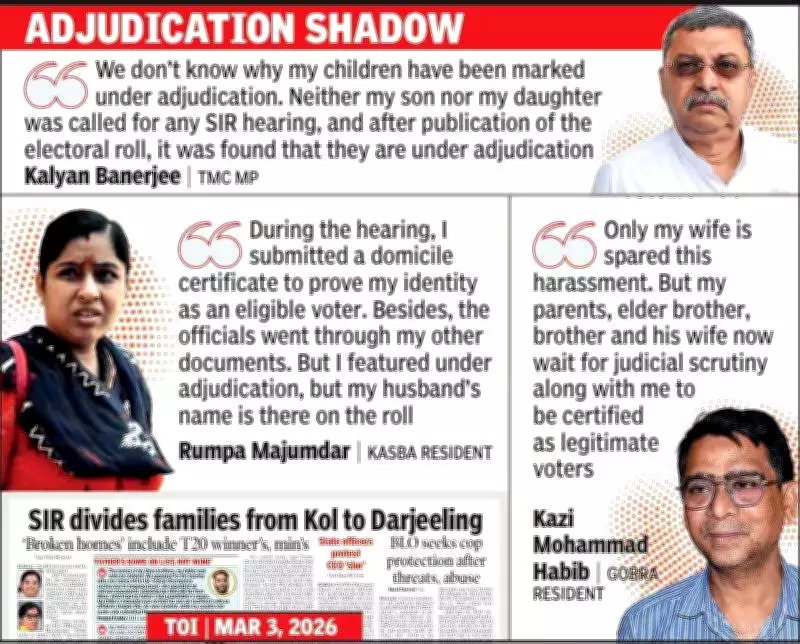
Kalyan Banerjee expressed bewilderment over the situation, stating, "We don't know why my children have been marked under adjudication. Neither my son nor my daughter was called for any SIR hearing, and after publication of the electoral roll, it was found that they are under adjudication. Let's see what is decided at the judicial scrutiny." Sirsanya Banerjee is also a lawyer who has been appointed as the senior standing counsel of the Calcutta High Court by the state government, adding professional significance to this administrative oversight.
This incident follows earlier allegations by the MP that the SIR process was not genuinely aimed at authenticating voters but rather at deliberately removing them from electoral rolls, particularly in non-BJP states. The inclusion of his children without due process appears to reinforce these concerns about procedural fairness.

Academic Community Also Affected
The controversy extends beyond political families to the academic sphere. On Wednesday, Aliah University hosted a mass convention at its Park Circus campus, highlighting widespread concerns over the protection of voting rights. Several professors from this university and their family members have similarly been subjected to adjudication in the electoral roll, prompting participation from professors, students, and citizens across West Bengal.
Saifullah, dean of humanities and languages at Aliah University, shared his frustrating experience. "On the 2002 list, my name appeared wrongly as Saimfullah Mondal. Though my forefathers used the title Mondal, I don't do so. I also got my name corrected to Saifullah. But the SIR process dwelt on the 2002 list, and I was summoned for a logical discrepancy," he explained. Despite producing his Madhyamik certificate and passport in accordance with the EC's 13-document formula, he was still placed under adjudication, leaving him questioning, "What's my fault? I rectified the error made by them, and I showed the documents asked by them."
Personal Hardships Amplified by Electoral Process
The adjudication process has inflicted emotional distress on vulnerable individuals. Santoshpur resident Sonar Singh, who lost both parents as a minor and was raised by her maternal uncle, faced adjudication after being unable to produce her birth certificate during the hearing. "I was mapped to my maternal grandfather and submitted his documents. During the hearing, the officials asked for my birth certificate, which I could not produce because I could not find it. Now I am marked under adjudication," she lamented. "If my parents were alive, I would not have to put up with this SIR-inflicted pain of being an orphan."
In another case, Gobra resident Kazi Mohammad Habib is among six family members marked under adjudication, with only his wife spared. "Only my wife is spared this harassment. But my parents, elder brother, brother and his wife now wait for judicial scrutiny along with me to be certified as legitimate voters, as we are under adjudication," he said. Habib was called for a hearing because his name had the word ‘Kazi' at the end on the 2002 SIR list, and despite submitting all required documents, the EC remained unsatisfied. "I am curious to know the reason from the EC," he added, echoing the confusion shared by many affected citizens.

Broader Implications for Democratic Participation
These incidents collectively underscore significant procedural lapses in the Special Intensive Revision process, raising alarms about voter suppression and administrative transparency. The lack of prior notice, unclear criteria for adjudication, and emotional toll on individuals highlight systemic issues that could undermine democratic participation in Kolkata and beyond.
As those affected await judicial scrutiny, the situation calls for greater accountability from the Election Commission to ensure that electoral processes are conducted fairly and without undue hardship to legitimate voters.