Sonia Gandhi Intensifies Attack on Centre Over Delimitation and Women's Reservation
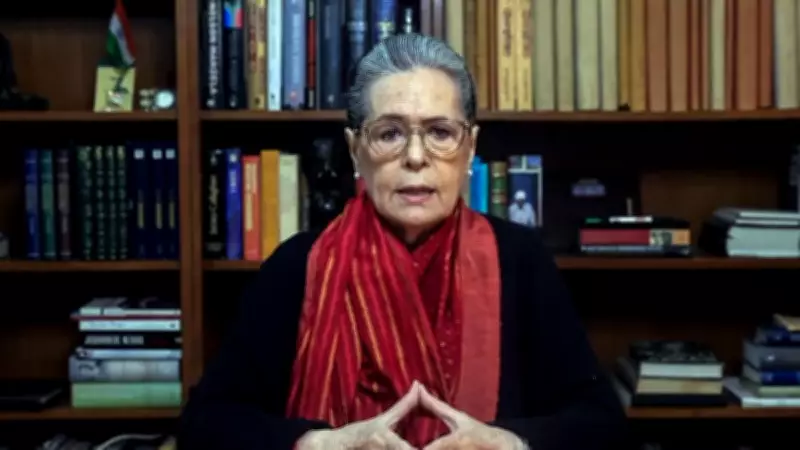
Congress leader Sonia Gandhi has significantly escalated her political offensive against the central government, asserting that the real obstacle to implementing women's reservation in India is not the reservation bill itself but the pending process of delimitation. In a sharp critique, she emphasized that the Centre must address delimitation first to ensure fair political representation for women across the country.
Core Argument: Delimitation as the Primary Hurdle
Sonia Gandhi argued that the women's reservation bill, which aims to allocate 33% of seats in Parliament and state legislatures for women, cannot be effectively enforced without completing the delimitation exercise. Delimitation involves redrawing electoral boundaries based on population changes, a process that has been delayed for years. She highlighted that this delay undermines the potential impact of the reservation policy, as it could lead to unequal representation if implemented without updated constituency maps.
According to Gandhi, the Centre's focus should shift from merely passing the women's reservation bill to prioritizing delimitation, as it is a foundational step for equitable political participation. She criticized the government for what she described as a lack of urgency in tackling this issue, suggesting it reflects a broader disregard for gender equality in governance.

Political Context and Implications
This statement comes amid ongoing debates over women's empowerment and political reforms in India. The women's reservation bill has been a contentious topic, with various political parties expressing support but disagreements over implementation details. Sonia Gandhi's remarks are seen as an attempt to pressure the Centre into taking concrete action, potentially influencing upcoming electoral strategies and coalition dynamics.
Experts note that delimitation is a complex process requiring consensus among states, as it can alter political power balances. By framing it as the "real issue," Gandhi aims to redirect public and political attention to what she views as a more critical barrier to women's representation than the reservation policy alone.
Reactions and Broader Impact
The criticism has sparked discussions within political circles, with some allies echoing Gandhi's concerns about delimitation delays. Opponents, however, may argue that her stance is politically motivated, aimed at diverting attention from other governance issues. Regardless, this development underscores the interconnected nature of electoral reforms and gender equality in Indian politics.
In summary, Sonia Gandhi's intensified critique highlights a pivotal challenge in achieving women's reservation: the need for delimitation to precede any meaningful implementation. As debates continue, this issue is likely to remain at the forefront of political discourse, shaping policies and public opinion in the coming years.