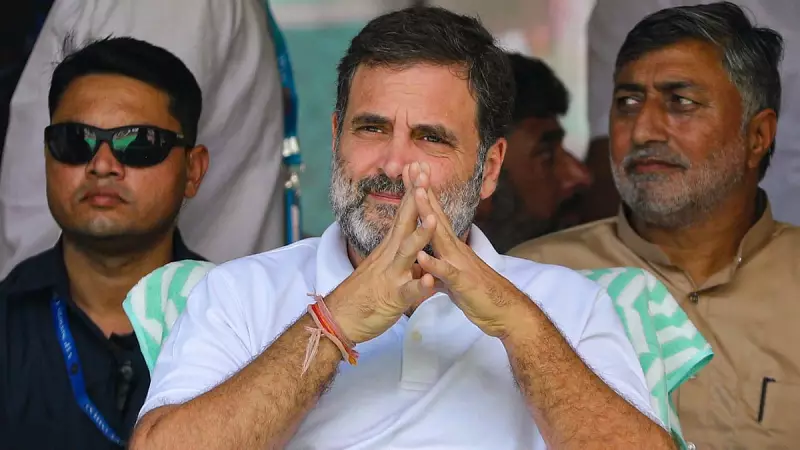
The Supreme Court of India has prolonged the legal shield for Congress leader Rahul Gandhi, extending a stay on proceedings initiated against him by a trial court. The case stems from alleged remarks made against the Indian Army.
Legal Shield Extended for Opposition Leader
In a significant development on 04 December 2025, the apex court continued its interim protection for Gandhi, halting the lower court's process. This decision provides continued relief to the Leader of the Opposition in the Lok Sabha, who faces legal challenges over his statements.
Senior advocate Abhishek Singhvi, representing Rahul Gandhi before the Supreme Court bench, presented a robust defense. He contended that it would set a concerning precedent if the country's Leader of the Opposition faced barriers in raising matters of public importance. Singhvi emphasized the critical role of the opposition in a democracy, arguing that its leader must be able to discuss issues freely.

Core Argument: The Right to Raise Issues
The crux of the defense hinged on the principle of democratic discourse. Singhvi articulated that silencing the principal voice of the opposition would create an unfortunate situation for Indian democracy. The legal team argued that the ability to question and debate is integral to the parliamentary system and should not be stifled by legal proceedings of this nature.
The case, which has been closely watched in political and legal circles, saw its previous stay order from the Supreme Court being continued. This means the trial court cannot move forward with its proceedings until the higher court gives further directions or finally decides on the matter.
Implications and Next Steps
This extension is a temporary but crucial victory for Rahul Gandhi and the Congress party. It allows the political leader to function without the immediate pressure of a criminal trial while the constitutional and legal questions are deliberated upon by the highest court.
The Supreme Court's intervention underscores the ongoing tension between political speech, legal accountability, and the privileges associated with key democratic offices. The next hearing will determine whether the stay becomes permanent or if the trial court can resume its work. For now, the political landscape awaits the judiciary's final word on this sensitive issue.