Government Minister Shifts Blame to Opposition After Women's Bill Fails in Parliament
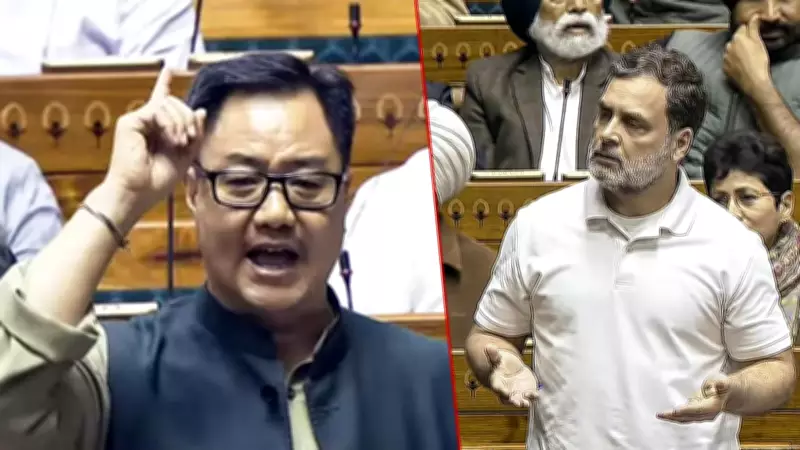
In the wake of the Women's Reservation Bill failing to pass through the Lok Sabha, Parliamentary Affairs Minister Kiren Rijiju has made a strong statement defending the government's position. Rijiju emphasized that the outcome "should not be considered a failure of the government" and instead pointed fingers at opposition parties for blocking the crucial legislation.
Constitutional Hurdle Prevents Passage Despite Majority Support
The proposed bill, which aimed to fast-track 33% reservation for women in legislative bodies, actually secured more votes in favor than against during the parliamentary session. However, it fell significantly short of the two-thirds majority required for a constitutional amendment, creating a political impasse that has sparked heated debates across party lines.
Divergent Narratives Emerge From Government and Opposition Camps
While the government characterizes this as a missed opportunity caused by political obstruction from rival parties, opposition leaders present a completely different perspective. They argue that the bill's controversial linkage with the delimitation process made consensus virtually impossible from the outset.

The delimitation connection created fundamental disagreements about implementation timelines and electoral boundary adjustments that opposition parties found unacceptable. This technical but crucial aspect became the sticking point that prevented cross-party agreement on the women's reservation initiative.
Political Fallout and Future Implications
Rijiju's comments represent a strategic attempt to control the narrative surrounding the bill's failure, positioning the government as proactive on women's representation while casting opposition parties as obstructionist. The minister's remarks suggest the government will continue to advocate for the legislation while maintaining that political cooperation is essential for constitutional changes.
This development highlights the ongoing challenges of passing significant social legislation in India's multi-party democracy, where constitutional amendments require broad consensus that often proves elusive in polarized political environments. The women's reservation issue now returns to political discussions with both sides entrenched in their positions about responsibility for the setback.