Tharoor Slams Government Over Women's Reservation Bill Failure, Highlights Delimitation Concerns
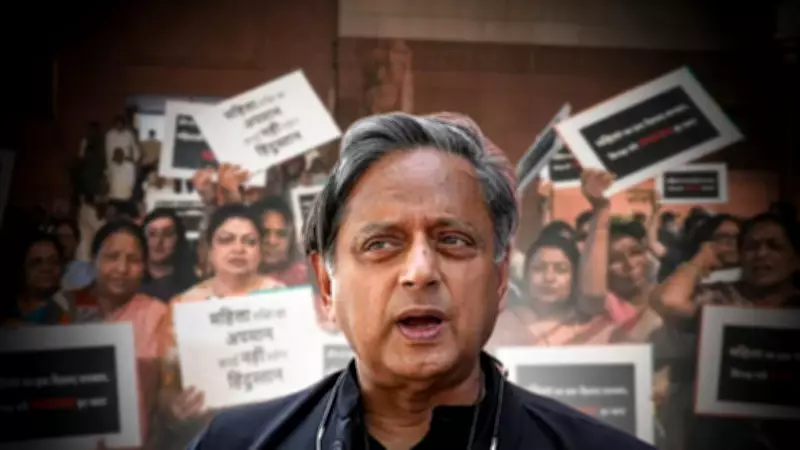
Senior Congress leader Shashi Tharoor has launched a sharp critique against the central government following the failure of the Constitution (131st Amendment) Bill to pass in the Lok Sabha. Tharoor alleges that the bill's defeat represents a calculated political maneuver rather than a genuine legislative setback.
Allegations of Political Exploitation
Tharoor maintains that the provision for 33 percent reservation for women in legislative bodies should never have been connected to the contentious issue of delimitation. He argues that this linkage was intentionally designed to create obstacles and delay the implementation of women's political representation.
"Women were being used as political pawns in this entire process," Tharoor stated, emphasizing what he sees as the BJP's attempt to derive political mileage by combining these two separate issues. He believes the ruling party intentionally created this controversial pairing to avoid implementing women's reservation while appearing supportive of the concept.

Clear Distinction Between Two Critical Issues
The Congress leader clarified his party's position with precision:
- Immediate Implementation: The Congress party fully supports the immediate implementation of women's reservation without any further delays or preconditions.
- Separate Delimitation Discussion: Delimitation requires deeper, more comprehensive discussion and broader political consensus due to its significant long-term implications for India's democratic structure.
Tharoor emphasized that delimitation affects parliamentary constituency boundaries and representation ratios, which could fundamentally alter India's political landscape for decades. This complex issue demands careful, non-partisan examination rather than being rushed through as part of another bill.
Call for Comprehensive Consultation Process
Looking forward, Tharoor has called for a thorough, all-party consultation process specifically focused on delimitation before any future legislative steps are taken. He believes this approach would ensure that any changes to India's electoral boundaries receive proper scrutiny and bipartisan support.
"We cannot allow women's political empowerment to become collateral damage in political gamesmanship," Tharoor asserted, highlighting what he sees as the fundamental injustice of linking these issues. He maintains that women have waited long enough for adequate representation in India's legislative bodies and deserve immediate action rather than further delays.
The failed bill represents a significant setback for gender equality in Indian politics, according to Tharoor, who argues that separating these issues would allow for progress on women's representation while giving delimitation the careful consideration it requires.