Parliamentary Proceedings Disrupted Over Citation Rules
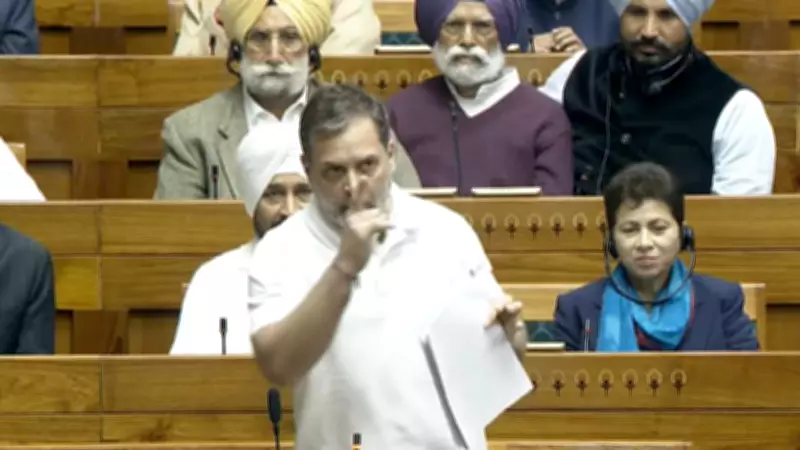
A significant uproar erupted in the Lok Sabha on Monday when Leader of Opposition Rahul Gandhi began his parliamentary speech by quoting from a published magazine story. The incident quickly escalated into a heated debate about parliamentary rules and procedures.
Speaker's Firm Stance on Parliamentary Protocol
Speaker Om Birla immediately intervened, stating clearly that no magazine or newspaper article unrelated to House proceedings can be quoted in Parliament. This ruling came as a direct response to Gandhi's use of external published material during his address to the assembly.
The Speaker emphasized that parliamentary debates must strictly adhere to established laws and protocols, setting a firm precedent for future discussions within the legislative chamber.

Defence Minister's Objection and Opposition's Defense
Defence Minister Rajnath Singh strongly objected to the Leader of Opposition citing these quotes, asserting that such actions violate the established rules of the House. Singh's intervention added weight to the Speaker's position, creating a united front from the treasury benches regarding parliamentary decorum.
In his defense, Rahul Gandhi maintained that his source was authentic and credible. He revealed that his references included quotes from the unpublished memoirs of former Army General MM Naravane, suggesting he was drawing from authoritative military sources rather than casual journalism.
Broader Implications for Parliamentary Discourse
This incident highlights several important aspects of Indian parliamentary democracy:
- The strict enforcement of rules governing what materials can be cited during debates
- The tension between parliamentary protocol and opposition attempts to bring external perspectives into discussions
- The Speaker's role as ultimate arbiter of what constitutes appropriate parliamentary discourse
- The ongoing challenges in balancing transparency with procedural formality in legislative proceedings
The confrontation underscores how parliamentary rules can become flashpoints in political debates, particularly when opposition leaders seek to introduce external evidence or perspectives that ruling party members consider outside proper procedure.
As Parliament continues its sessions, this incident will likely influence how both government and opposition members approach future debates, with increased attention to citation protocols and the boundaries of acceptable reference materials during official proceedings.