

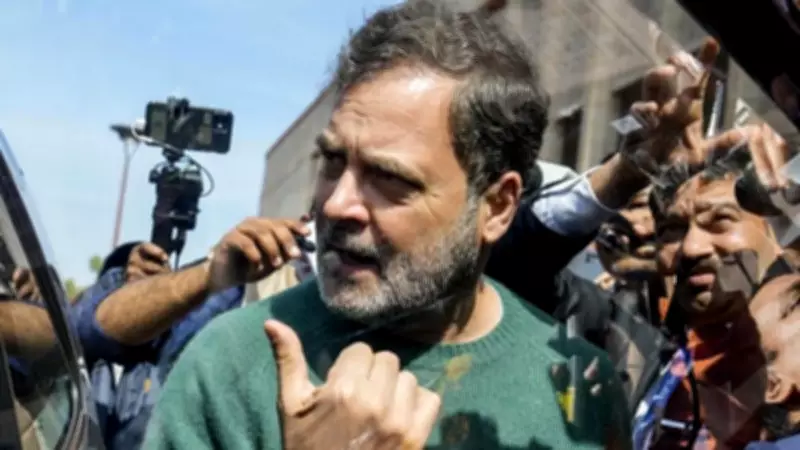
Rahul Gandhi Criticizes Government for Allegedly Overlooking Workers and Farmers
Congress leader Rahul Gandhi has launched a sharp critique against the current administration, accusing it of disregarding the voices of workers and farmers while making pivotal decisions that shape their future. In a statement that has stirred political discourse, Gandhi highlighted what he perceives as a systemic failure to incorporate the concerns of these crucial segments of society into policy-making processes.
Allegations of Ignored Voices in Decision-Making
Gandhi asserted that the government has consistently ignored the input and feedback from workers and farmers, who are directly impacted by legislative and economic changes. He emphasized that decisions concerning their livelihoods and well-being have been made without adequate consultation, leading to widespread discontent and uncertainty among these groups. This criticism comes amid ongoing debates over agricultural reforms and labor policies that have sparked protests and discussions across the country.
Questioning Prime Minister Modi's Responsiveness
In his remarks, Gandhi posed a pointed question to Prime Minister Narendra Modi, asking whether he will now listen to the voices of workers and farmers or if there is a "grip" on him too strong to allow for such engagement. This rhetorical inquiry suggests a belief that external pressures or influences may be hindering the Prime Minister's ability to address the concerns of these communities effectively. Gandhi's comments aim to challenge the government's accountability and transparency in governance.

Implications for Indian Politics and Society
The allegations raised by Rahul Gandhi underscore broader tensions in Indian politics regarding representation and inclusivity in decision-making. Workers and farmers form a significant portion of the population, and their issues are central to national development. By highlighting their perceived marginalization, Gandhi seeks to rally support and draw attention to what he views as democratic deficits in the current political landscape. This development is likely to fuel further debates and discussions in the lead-up to future elections and policy implementations.
As the political narrative unfolds, the response from the government and other stakeholders will be closely watched, with potential implications for policy adjustments and public sentiment. The focus on workers and farmers reflects ongoing efforts to address socio-economic challenges and ensure that all voices are heard in shaping India's future.






