

Eggs Removed from Kolkata School Meals as ISKCON Takes Over
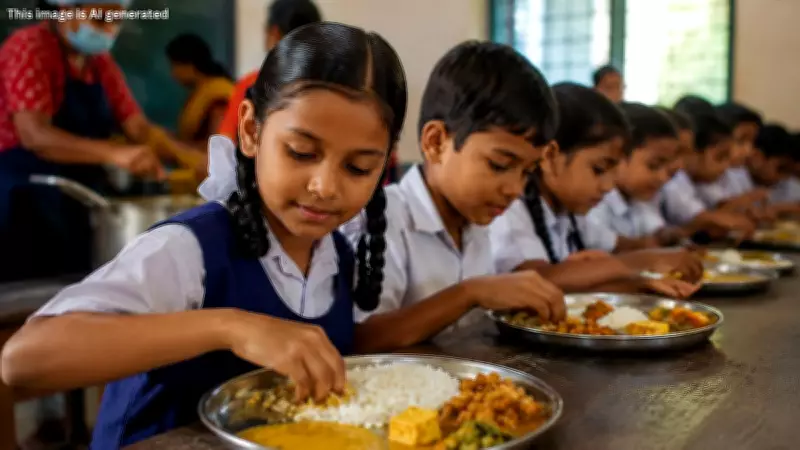
The West Bengal government has decided to engage the International Society for Krishna Consciousness (ISKCON) to provide cooked mid-day meals in schools under the Kolkata Municipal Corporation (KMC) area. As part of this shift, eggs have been replaced with vegetarian alternatives, reopening a wider debate over nutrition, culture, and identity.
The decision, announced on June 26, 2026, affects thousands of students in KMC-run schools. ISKCON, known for its vegetarian ethos, will prepare and distribute the meals, which now exclude eggs—a common source of protein in traditional mid-day meals.
Nutritional Concerns and Cultural Reactions
Critics argue that removing eggs compromises the nutritional value of the meals, especially for children from low-income families who rely on the midday meal as a primary source of protein. According to the Right to Food Campaign, eggs provide essential amino acids and micronutrients crucial for child development. However, supporters of the move cite cultural and religious sensitivities, noting that many communities in Bengal prefer vegetarian options.

“This is not just about food; it’s about identity,” said a spokesperson for the KMC education department. “We aim to provide meals that respect diverse dietary practices while ensuring adequate nutrition through alternatives like soya and fortified grains.”
Political and Social Implications
The decision has sparked political backlash, with opposition parties accusing the government of imposing a vegetarian agenda. The Trinamool Congress, which governs the state, defended the move as a practical arrangement to improve meal quality and consistency. “ISKCON has a proven track record in large-scale meal distribution,” a party leader stated. “The menu will be designed to meet nutritional standards without eggs.”
Nutrition experts have raised concerns about the protein gap. Dr. Sunita Roy, a pediatric nutritionist, noted, “Eggs are a cost-effective source of high-quality protein. Replacing them requires careful planning to avoid deficiencies.” The government has assured that the new menu will include pulses, dairy, and fortified foods to compensate.
Broader Debate on Food and Identity
The controversy reflects ongoing tensions in India over food choices and cultural identity. Similar debates have occurred in other states where eggs were removed from school meals due to political or religious pressures. In Bengal, a state known for its diverse culinary traditions, the move has reignited discussions about secularism and state intervention in dietary habits.
The KMC plans to roll out the new meal program in phases, starting with 200 schools. A committee of nutritionists and community representatives will monitor the impact on children’s health over the next six months.






