Priyanka Chaturvedi Breaks With INDIA Bloc Over Women's Reservation Bill Defeat
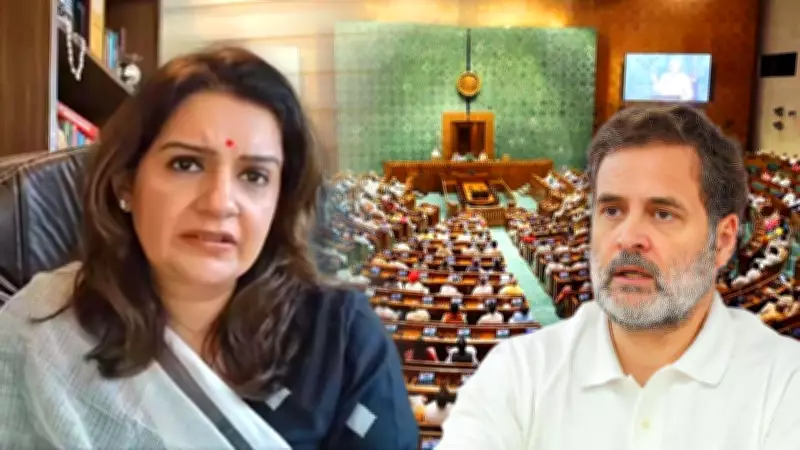
In a significant political development, Shiv Sena (UBT) leader Priyanka Chaturvedi has publicly expressed her disappointment and disagreement with the INDIA bloc's position following the defeat of the Women's Reservation Bill in the Lok Sabha. Chaturvedi described the outcome as a "sad day for women" and a major setback for those aspiring for greater representation in India's legislative bodies.
Divergence From Party Stand
Priyanka Chaturvedi took a firm stance that differed from her party's official position within the INDIA alliance. She emphasized that the failure to pass this crucial legislation represents a blow to women across the nation who have been advocating for enhanced political participation and representation in both Parliament and state assemblies.
The Failed Constitutional Amendment
The Constitution Amendment Bill, which aimed to implement women's reservation by 2029 while also expanding the strength of the Lok Sabha, failed to secure passage in the Lower House of Parliament. Despite substantial support from 298 Members of Parliament who voted in favor, the bill faced opposition from 230 MPs.

The legislation fell short of achieving the required two-thirds majority, needing 352 votes out of the 528 members who participated in the voting process. This numerical deficit prevented what would have been a historic advancement for gender representation in Indian politics.
Implications for Women's Representation
Chaturvedi highlighted that this legislative failure delays the implementation of women's reservation until at least 2029, postponing meaningful progress toward gender parity in political leadership. The bill's defeat comes amid ongoing national conversations about women's empowerment and equal participation in governance structures.
The Shiv Sena (UBT) leader's public divergence from her alliance's position signals potential internal tensions within the INDIA bloc regarding women's issues and legislative priorities. Her statement underscores the complex dynamics within political coalitions when addressing matters of fundamental rights and representation.
Political Ramifications
This development occurs against the backdrop of broader political negotiations and alliance strategies. Chaturvedi's break with the INDIA bloc's stance on this particular issue may influence future discussions about women's rights within the coalition and could potentially reshape internal power dynamics.
The failed vote represents not just a legislative setback but also a symbolic moment in India's ongoing journey toward gender equality in political representation. As debates continue about the best path forward for women's reservation, Chaturvedi's position adds a significant voice to the conversation, emphasizing the urgency of addressing this critical issue.