The Cost of Political Freebies: Are Voters Trading Trees for Cash?
In the heated arena of modern politics, the debate over freebies has intensified, raising critical questions about voter behavior and governance priorities. Are voters becoming increasingly dependent on the allure of immediate rewards, or is their preference for cash over long-term infrastructure a sign of deep-seated cynicism toward political promises?
The Addiction to Freebie Opium
Political freebies, often dubbed as the "opium of the masses," have become a staple in election campaigns across many democracies. These offerings range from cash transfers and subsidies to free utilities and goods, designed to sway voter sentiment. The concern is that such tactics may foster an addiction, where citizens prioritize short-term gains over sustainable development. This trend could undermine democratic accountability, as politicians focus on populist measures rather than substantive policy-making.
Critics argue that this reliance on freebies distorts the electoral process, turning it into a transactional exchange rather than a deliberation on governance. Voters might be lured by the immediate relief these benefits provide, especially in times of economic hardship, but at what cost to future generations and environmental sustainability?

Cynicism and the Preference for Immediate Cash
On the other hand, the preference for cash over long-term infrastructure promises might stem from a profound cynicism about governance. Many voters have grown disillusioned with political rhetoric that often fails to materialize into tangible improvements. When faced with broken promises of roads, schools, and healthcare facilities, the allure of direct cash transfers becomes undeniable.
This cynicism is not unfounded; history is replete with instances where grand infrastructure projects have been delayed, mismanaged, or abandoned. In such a context, voters may rationally choose the certainty of immediate financial assistance over the uncertainty of future benefits. This shift reflects a broader distrust in political institutions and a pragmatic approach to survival in challenging economic conditions.
The Environmental and Social Implications
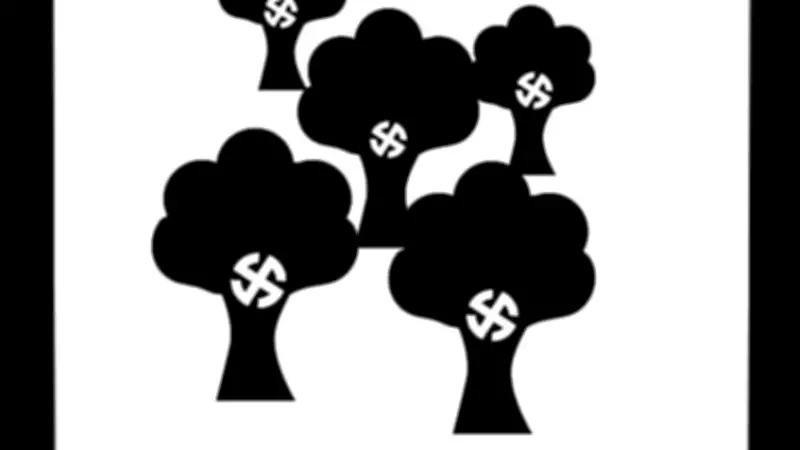
The metaphor of "felled trees" in the context of freebies highlights the environmental and social costs of such policies. Just as deforestation sacrifices long-term ecological health for short-term gains, political freebies might sacrifice sustainable development for electoral victories. This raises ethical questions about the responsibility of leaders to balance voter demands with the need for resilient infrastructure and environmental stewardship.
Moreover, the focus on freebies can divert resources away from critical areas like education, healthcare, and climate resilience, potentially exacerbating inequalities and hindering progress. It is essential to consider whether this trend is a symptom of deeper governance failures that need addressing through transparency and accountability.
Moving Forward: A Call for Balanced Governance
To address these challenges, a balanced approach is necessary. Policymakers must engage voters in meaningful dialogue about the trade-offs between immediate benefits and long-term investments. Strengthening trust in governance through consistent delivery of promises and inclusive decision-making can help reduce cynicism.
Ultimately, the debate over freebies is not just about voter addiction or cynicism; it is about the future of democratic governance and sustainable development. By fostering a culture of responsibility and foresight, societies can navigate the complexities of political incentives without sacrificing the well-being of future generations.