PM Modi Calls for Swift Passage of Women's Reservation Act on Ambedkar's Birth Anniversary
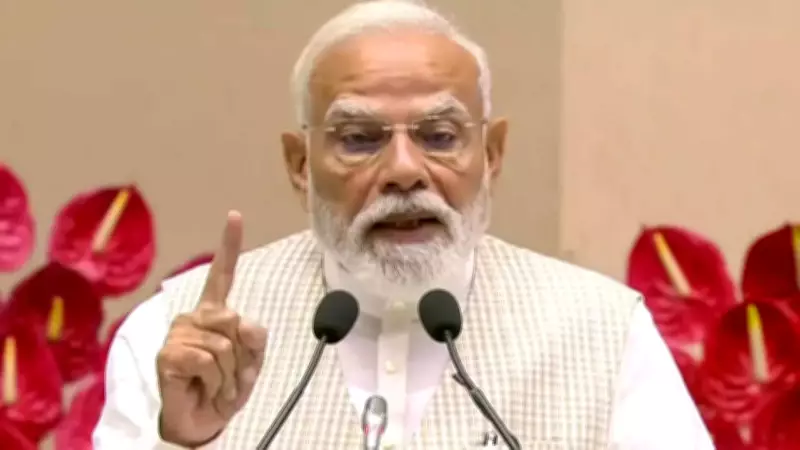
On Tuesday, marking the birth anniversary of B R Ambedkar, Prime Minister Narendra Modi highlighted that the proposed Constitutional amendment for the Nari Shakti Vandan Adhiniyan, commonly known as the Women's Reservation Act, is deeply rooted in the principles of equality and inclusivity championed by Ambedkar in the Constitution. In a letter addressed to the women of India ahead of a three-day special session of Parliament starting Thursday, the PM underscored the critical importance of this legislation for the nation's democratic fabric.
Strengthening Democracy Through Women's Representation
Prime Minister Modi asserted that India's democracy will become stronger and more vibrant if the 2029 Lok Sabha elections and various state assembly elections that year are conducted with the women's reservation fully implemented. He emphasized that any further delay in passing the upcoming legislation in Parliament would be unfortunate and a gross injustice to the women of India. The PM stressed that when women actively participate in policy- and decision-making processes, the journey towards a 'Viksit Bharat' (Developed India) is significantly strengthened.
Historical Context and Consensus
Modi pointed out that the principle of women's participation led to the passage of the law in 2023 and makes this amendment an urgent necessity. He noted that with women excelling across diverse fields, increasing their role in legislative bodies has long enjoyed broad consensus. The PM cited historical efforts, such as Sardar Patel's initiatives to reserve seats for women in the Ahmedabad Municipality, and highlighted that India granted equal voting rights to women at Independence. However, he acknowledged that efforts over the past decades have fallen short of achieving adequate representation.

Call to Action for Viksit Bharat
In his letter, Modi urged women across the country to write to their Members of Parliament to support the amendment ahead of what he termed a historic parliamentary session. He linked this effort to India's broader goal of achieving 'Viksit Bharat' by 2047, stating that adding more vigour to India's development trajectory makes women's participation non-negotiable. The PM's message reinforces the idea that empowering women in governance is essential for inclusive growth and national progress.