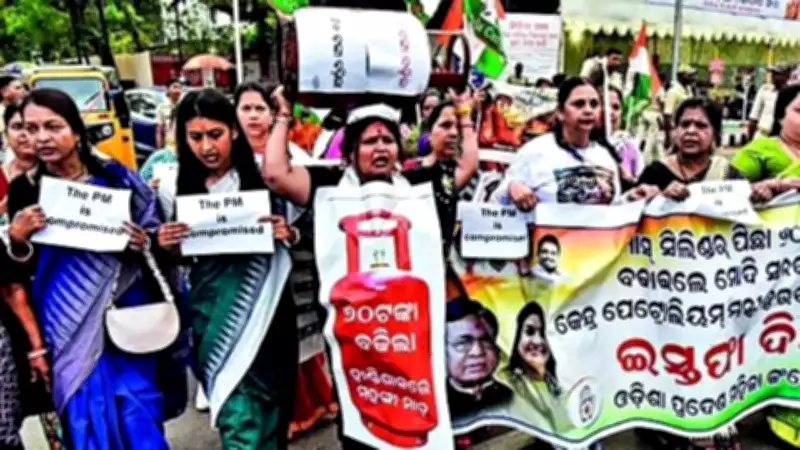
Opposition-Governed States Launch Scathing Attack on Centre Over LPG Price Increase
Several opposition-ruled states have mounted a fierce political assault on the Central government following the recent hike in LPG cylinder prices, with West Bengal Chief Minister Mamata Banerjee calling for statewide women's protests and Karnataka Chief Minister Siddaramaiah demanding Prime Minister Narendra Modi's resignation.
Mamata Banerjee's Call to Action in Poll-Bound Bengal
In election-focused West Bengal, Chief Minister Mamata Banerjee strategically connected the issue of rising kitchen expenses with alleged deletions from the state's voters' list, directly targeting her party's crucial women vote bank. She urged women across Bengal to mark International Women's Day by organizing protest rallies while dressed in black outfits and armed with kitchen utensils.
"Gas prices have been increased yet again, and you cannot even book a cylinder before twenty-one days," Banerjee declared at a political rally. "What will families do for those three weeks if they run out of cooking gas at home? This is an attack on household budgets and women's daily lives."

The Trinamool Congress leader framed the LPG price hike as part of broader economic pressures facing ordinary households, particularly women who manage kitchen expenses.
Siddaramaiah's Foreign Policy Critique from Karnataka
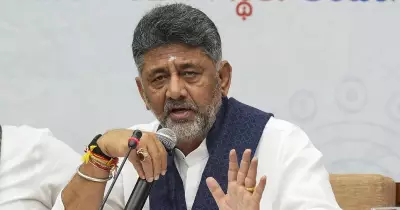
Karnataka Chief Minister Siddaramaiah launched a more geopolitical critique, asserting that the LPG price increase resulted directly from what he called the "flawed foreign policy" of the Modi administration. He warned that the additional financial burden would further strain millions of Indian households already battling relentless inflation.
The Congress leader accused Prime Minister Modi of surrendering India's strategic autonomy "by aligning blindly with the United States" and disrupting the nation's long-standing energy partnerships with both Russia and Iran. According to Siddaramaiah, these diplomatic shifts have made India vulnerable to international market fluctuations that now directly impact domestic fuel prices.
Jharkhand Joins the Criticism
In Jharkhand, Jharkhand Mukti Morcha spokesperson Supriyo Bhattacharya echoed similar sentiments, stating plainly: "Had India maintained its earlier strategic ties with Russia, our country would not be facing such a difficult situation with energy prices today."
The opposition's coordinated attack highlights how regional parties are attempting to transform what might otherwise be seen as routine fuel price adjustments into a broader political narrative about economic management, foreign policy independence, and women's welfare.
These developments come as opposition parties seek to capitalize on public discontent over rising living costs ahead of crucial state elections, with the LPG cylinder price hike serving as a tangible symbol of broader economic pressures facing ordinary Indian families.