Opposition Leaders Decry President's Address as 'Recycled Ritual' Amid MGNREGA Protest
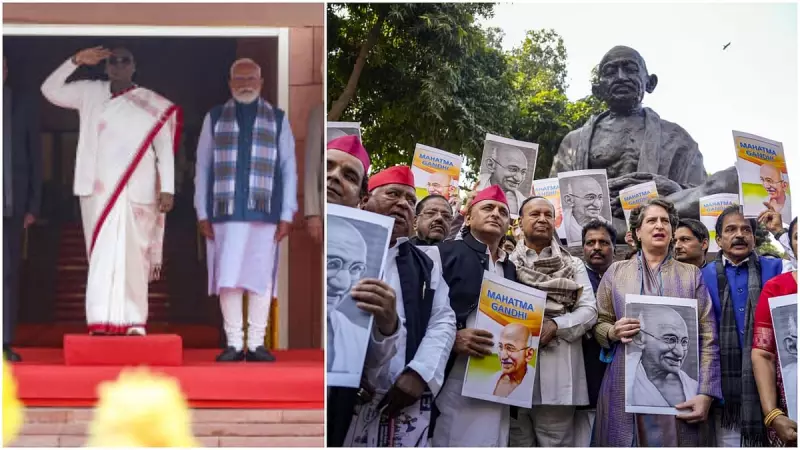
In a dramatic parliamentary moment, opposition MPs staged a brief but pointed protest during President Droupadi Murmu's customary address to the joint session of Parliament on January 28, 2026. As soon as President Murmu rose to deliver her speech, opposition members stood up and began shouting demands to "restore MGNREGA," creating a tense atmosphere in the legislative chamber.
The Protest That Lasted Mere Moments
The protest, though brief in duration, carried significant political weight. Opposition MPs coordinated their demonstration to coincide precisely with the beginning of the President's address, ensuring maximum visibility for their demand regarding the Mahatma Gandhi National Rural Employment Guarantee Act. Within approximately sixty seconds, the protesting members concluded their vocal demonstration and resumed their seats, allowing the presidential address to continue without further interruption.
This carefully timed protest highlights the ongoing political tensions surrounding rural employment schemes in India. The opposition's synchronized action demonstrates their strategic approach to parliamentary proceedings while maintaining decorum by limiting the disruption to a minimal timeframe.

Political Reactions and Context
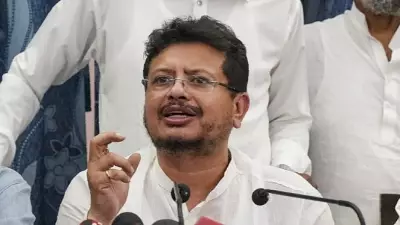
Following the parliamentary session, opposition leaders expanded on their protest actions by characterizing President Murmu's address as a "recycled ritual" that fails to address pressing national concerns. This criticism reflects broader political disagreements about governance priorities and policy implementation.
The MGNREGA program has been a contentious political issue, with opposition parties consistently advocating for enhanced funding and expanded implementation. The brief protest during the President's address serves as a symbolic gesture emphasizing their commitment to this policy demand within the formal parliamentary setting.
The timing of this protest during the President's constitutional address represents a calculated political statement rather than a spontaneous outburst. By choosing this particular moment, opposition MPs ensured their MGNREGA restoration demand would receive prominent attention while adhering to parliamentary protocols that limit extended disruptions during presidential addresses.
Broader Implications for Indian Politics
This incident underscores several important dynamics in contemporary Indian politics:
- The continued significance of MGNREGA as a political flashpoint between government and opposition
- The strategic use of parliamentary procedures for political messaging
- The evolving relationship between constitutional offices and political advocacy
- The balance between protest and decorum in legislative proceedings
While brief in duration, the protest has generated significant political discussion about both the substance of the MGNREGA demand and the methods of parliamentary opposition. The characterization of the President's address as a "recycled ritual" further highlights the opposition's critique of government communication strategies and policy priorities.
As Indian politics continues to evolve, such carefully choreographed parliamentary moments demonstrate how constitutional ceremonies can become arenas for substantive political debate about development policies and governance approaches.