BJP Set to Make History with Mumbai's First Woman Mayor
In a significant political development, the Bharatiya Janata Party (BJP) is poised to appoint Mumbai's first woman Mayor, marking a historic moment for India's financial capital. The decision comes as the selection race heats up, with six prominent names currently in the fray for this prestigious position.
Coalition Strength Secures Majority in Municipal House
The 227-member Brihanmumbai Municipal Corporation (BMC) House requires 114 seats to achieve a majority, known as the magic figure. The BJP has emerged as the single largest party with an impressive tally of 89 seats. This strong performance provides the party with substantial leverage in the mayoral selection process.
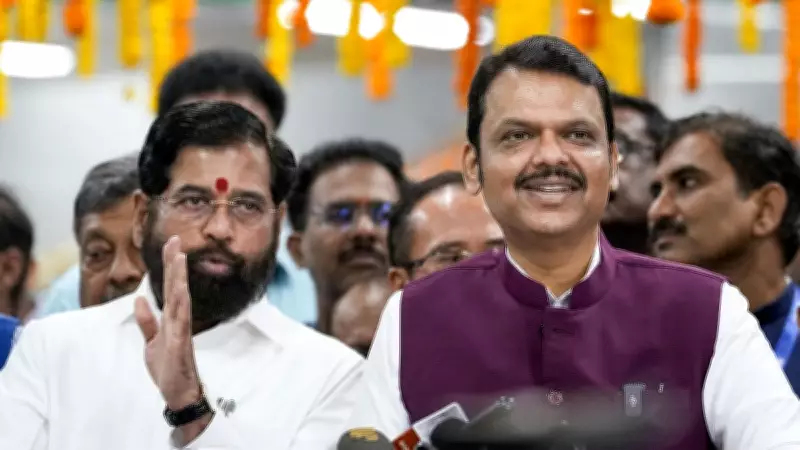
Adding to the BJP's strength is its alliance with the Eknath Shinde-led Shiv Sena, which secured 29 seats in the recent elections. This partnership brings the Maha Yuti coalition's total to 118 seats, comfortably surpassing the required majority threshold. Furthermore, Ajit Pawar's Nationalist Congress Party (NCP) contributed three additional seats to the coalition's count.

Intense Competition Among Six Candidates
The race for Mumbai's mayoral position has intensified significantly, with six candidates now vying for the role. This competitive field reflects the importance of the position and the diverse interests within the ruling coalition. The selection process is being closely watched as it will determine who leads India's most populous city and its municipal administration.
The BJP's dominance in the BMC elections provides the party with a clear mandate to shape Mumbai's governance for the coming term. With 89 seats under its belt, the party holds considerable influence over municipal decisions, budget allocations, and development projects that will affect millions of residents.
Historical Significance of Woman Leadership
The appointment of Mumbai's first woman Mayor represents a milestone in the city's political history. This move aligns with broader national trends toward greater gender representation in leadership positions. The selected candidate will oversee a municipal corporation that manages one of the world's largest urban economies and addresses complex challenges ranging from infrastructure to public services.
The Maha Yuti coalition's combined strength of 118 seats ensures stable governance and reduces the likelihood of political instability in the BMC. This numerical advantage allows the ruling alliance to implement policies and programs without significant opposition hurdles, potentially leading to more efficient municipal administration.
Future Implications for Mumbai's Development
As the selection process continues, political observers are analyzing how the new Mayor will approach key issues facing Mumbai, including:
- Urban infrastructure development and transportation improvements
- Housing and slum rehabilitation programs
- Environmental sustainability and waste management initiatives
- Public health services and pandemic preparedness
- Economic recovery and job creation strategies
The BJP's decisive performance in the BMC elections, combined with its alliance partnerships, positions the party to implement its vision for Mumbai's future development. The appointment of a woman Mayor adds an additional layer of significance to this political transition, potentially bringing new perspectives to the city's governance challenges.