Opposition Leaders Condemn Fuel Excise Duty Reduction as 'Insufficient' Relief
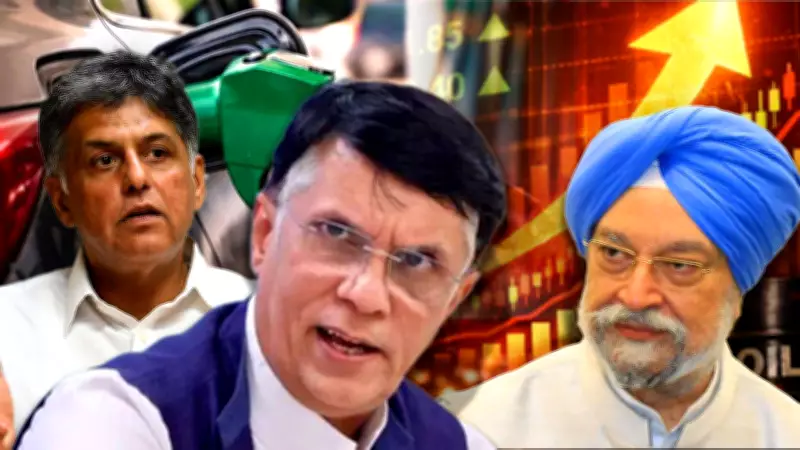
Political tensions have escalated as opposition figures delivered a sharp rebuke to the central government's recent decision to lower excise duties on petrol and diesel. Congress Members of Parliament Manish Tewari and Pramod Tiwari have led the charge, branding the tax cut as a 'token relief' that fails to address the substantial financial strain on Indian households grappling with persistently high fuel costs.
Criticism of Government's 'Generous' Presentation
The opposition's reaction was triggered by what they perceive as the government's attempt to frame the excise duty reduction as a significant concession. 'As if Hardeep Puri is giving money from his pocket...' was the pointed remark highlighting their skepticism. Tewari and Tiwari argued that presenting this minor rollback as generous is misleading, given the historical context of fuel taxation.
Historical Context of Rising Excise Duties
Central to the opposition's argument is the dramatic increase in excise duties on petrol and diesel since 2014. The MPs emphasized that the current small reduction barely offsets the heavy tax burden accumulated over the past decade. They contend that citizens have endured years of elevated taxation, making this recent move insufficient to provide meaningful financial relief.

The political debate has intensified as parties scrutinize the policy's effectiveness. Key points of contention include:
- Whether the excise duty cut will genuinely alleviate household financial stress
- The adequacy of the reduction compared to previous tax hikes
- The timing of the move amid ongoing economic pressures
Broader Implications for Economic Policy
This development adds fuel to the ongoing political discourse surrounding government economic policies. Opposition leaders are questioning the strategic intent behind the excise duty adjustment, suggesting it may be more about political optics than substantive economic relief. The criticism underscores deeper concerns about fiscal management and its impact on ordinary citizens facing rising living costs.
As the debate continues, all eyes remain on whether this policy shift will translate into tangible benefits for consumers across the nation, or if it will remain what opponents describe as symbolic gesture rather than substantive reform.