Speaker Om Birla Rejects Opposition Charges, Upholds Parliamentary Rules
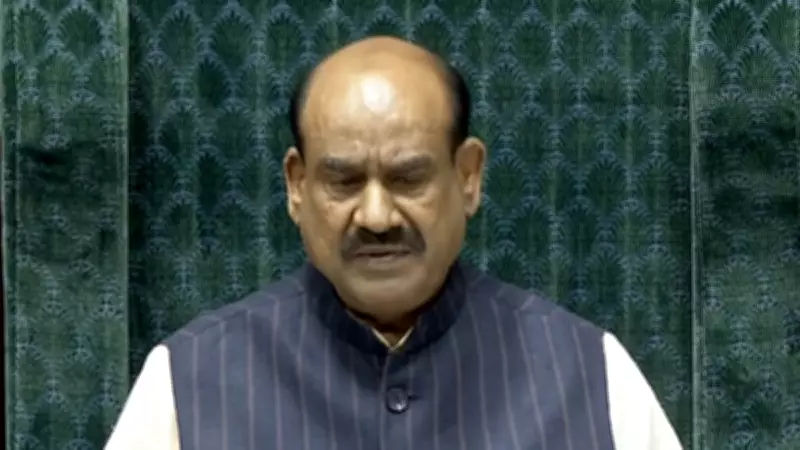
In a significant development in the Lok Sabha, Speaker Om Birla firmly rejected charges leveled by the opposition, asserting that every member of the House has the unequivocal right to speak in accordance with established parliamentary rules. This statement came during a session marked by heated debates and procedural discussions, highlighting the ongoing tensions between the ruling party and opposition factions.
Birla's Defense of Parliamentary Norms
Speaker Om Birla addressed the House, clarifying that the rules governing parliamentary proceedings are designed to ensure orderly debate and representation. He emphasized that no member is denied the opportunity to express their views, provided they adhere to the procedural guidelines set forth by the Constitution and parliamentary traditions. This response was aimed at countering allegations from opposition leaders who claimed their voices were being suppressed or marginalized in recent sessions.
The Speaker's remarks underscored a commitment to maintaining decorum and fairness in legislative processes, even as political disagreements persist. He pointed out that the rules are applied uniformly to all members, regardless of party affiliation, to facilitate constructive dialogue and decision-making.

Context of Opposition Allegations
The opposition's charges stem from recent parliamentary sessions where debates on key issues, such as economic policies and governance matters, have seen intense exchanges. Some opposition members alleged that their speaking time was curtailed or that procedural tactics were used to limit their participation. In response, Birla reiterated that the Lok Sabha operates under a framework that balances free expression with the need for efficiency and order.
He noted that instances of rule violations or disruptions are addressed through established mechanisms, and members are always encouraged to raise concerns through proper channels. This stance aims to reinforce the integrity of parliamentary democracy, where diverse viewpoints are accommodated within the bounds of law and protocol.
Implications for Parliamentary Functioning
Om Birla's statement has broader implications for the functioning of India's parliamentary system. By reaffirming the rights of members to speak as per rules, he seeks to:
- Promote transparency and accountability in legislative debates.
- Prevent misunderstandings that could escalate into unnecessary conflicts.
- Ensure that parliamentary proceedings remain focused on substantive issues rather than procedural disputes.
This approach is crucial in a vibrant democracy like India, where the Lok Sabha serves as a forum for representing public interests and scrutinizing government actions. The Speaker's role as a neutral arbiter is pivotal in upholding these principles, especially during periods of political polarization.
Looking Ahead
As the parliamentary session continues, observers note that Birla's clarification may help ease tensions and foster more collaborative discussions. However, the underlying political dynamics suggest that debates over rules and representation are likely to persist. The focus remains on how effectively the House can navigate these challenges while advancing legislative agendas.
In summary, Speaker Om Birla's rejection of opposition charges and his emphasis on rule-based speaking rights highlight ongoing efforts to maintain parliamentary decorum and democratic norms in India's political landscape.