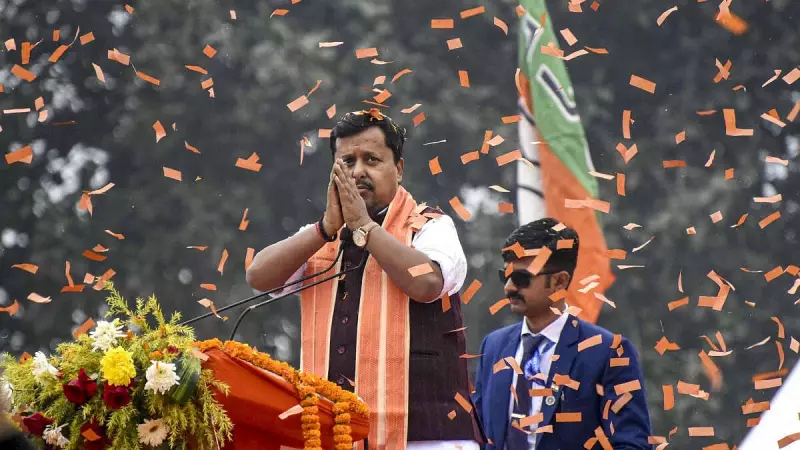
The political landscape in India is witnessing significant developments as Nitin Nabin's prominent role within the Bharatiya Janata Party (BJP) heralds what many are calling a new era for the ruling party. This shift has fueled intense speculation about an impending cabinet reshuffle under Prime Minister Narendra Modi's leadership, with insiders suggesting major changes could be on the horizon.
Restructuring and Ratification on the Agenda
In the coming days, a comprehensive reconstitution of the national team is anticipated, marking a strategic move to align the party's structure with its evolving priorities. This restructuring is expected to involve key appointments and organizational changes aimed at strengthening the BJP's position ahead of future electoral challenges.
National Council Meeting to Formalize Changes
Simultaneously, a crucial meeting of the National Council is scheduled to ratify the recent election outcomes and endorse the proposed changes. This gathering will serve as a formal platform to consolidate the party's direction and ensure unity among its ranks, with discussions likely to focus on policy implementation and electoral strategies.

The timing of these developments, as reported by Amrita Madhukalya on January 21, 2026, underscores the BJP's proactive approach to governance and party management. Observers note that Nitin Nabin's growing influence could play a pivotal role in shaping the cabinet reshuffle, potentially bringing fresh faces and renewed energy to the Modi administration.
Political analysts suggest that this reshuffle might address performance reviews, regional representation, and administrative efficiency, reflecting the party's commitment to responsive governance. The speculation surrounding these changes has captivated political circles, with many awaiting official announcements to confirm the extent of the modifications.
As the BJP navigates this transitional phase, the focus remains on maintaining stability while embracing necessary reforms to meet public expectations and political demands.