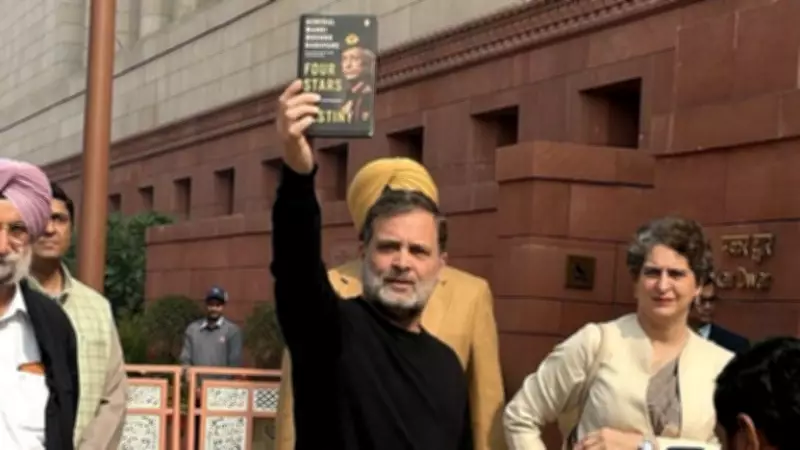
General Naravane's Memoir Provides Critical Boost to Opposition Unity Efforts
The release of former Indian Army Chief General MM Naravane's memoir has emerged as a pivotal moment for opposition parties in India, injecting fresh energy and strategic direction at a crucial juncture. This development comes at a time when opposition forces were grappling with significant setbacks and internal uncertainties that threatened to undermine their collective momentum.
Post-Bihar Electoral Setback Creates Challenges
Opposition parties found themselves on the defensive following the devastating results of the Bihar assembly elections, which delivered a substantial blow to their political aspirations. The electoral outcome not only demonstrated the ruling party's continued dominance in key states but also exposed vulnerabilities in opposition coordination and messaging strategies. This defeat created an atmosphere of introspection and concern among opposition leaders about their ability to mount effective challenges in future electoral battles.
Speculation Surrounding Sharad Pawar's Political Moves
Compounding the opposition's difficulties was widespread speculation about potential realignments within key political formations. Particular attention focused on Sharad Pawar's Nationalist Congress Party (Sharadchandra Pawar) faction, with persistent rumors suggesting possible shifts in political allegiance. This uncertainty created additional instability within opposition ranks, as political observers questioned whether established alliances could withstand potential defections or realignments that might further weaken the opposition's collective position.

Naravane's Memoir as a Unifying Catalyst
General Naravane's book has provided opposition parties with more than just literary content—it has offered a framework for renewed cooperation and strategic thinking. The memoir's insights into leadership, decision-making processes, and national security considerations have resonated with opposition leaders seeking to recalibrate their approach to governance and policy formulation. By focusing attention on substantive issues of national importance, the book has helped opposition parties move beyond immediate electoral concerns toward broader discussions about India's future direction.
Strategic Implications for Opposition Coordination
The timing of the memoir's release has proven particularly fortuitous for opposition unity efforts. Political analysts note several key impacts:
- Common Ground Establishment: The book has provided opposition parties with shared reference points for discussing national security and governance issues
- Messaging Reset: Opposition leaders have found in the memoir opportunities to reframe their political narratives around substantive policy discussions
- Coordination Framework: The principles of strategic planning and coordinated action discussed in the book offer potential models for improved opposition collaboration
- Credibility Enhancement: Association with respected national figures like General Naravane has helped opposition parties bolster their credibility on matters of national importance
Broader Political Landscape Considerations
This development occurs within a complex political environment characterized by several simultaneous dynamics. The ruling Bharatiya Janata Party continues to maintain significant organizational strength and electoral appeal, while regional parties navigate the challenges of balancing local interests with national opposition coordination. The Congress party, as the principal national opposition force, faces particular pressure to demonstrate effective leadership and strategic vision in this evolving political landscape.
Political observers will be closely monitoring how opposition parties leverage the momentum generated by General Naravane's memoir to strengthen their coordination mechanisms, develop coherent policy alternatives, and present a viable political alternative to the electorate. The coming months will reveal whether this literary intervention translates into sustained political realignment and more effective opposition unity.