Modi Government Addresses Key Questions on Delimitation and Women's Reservation
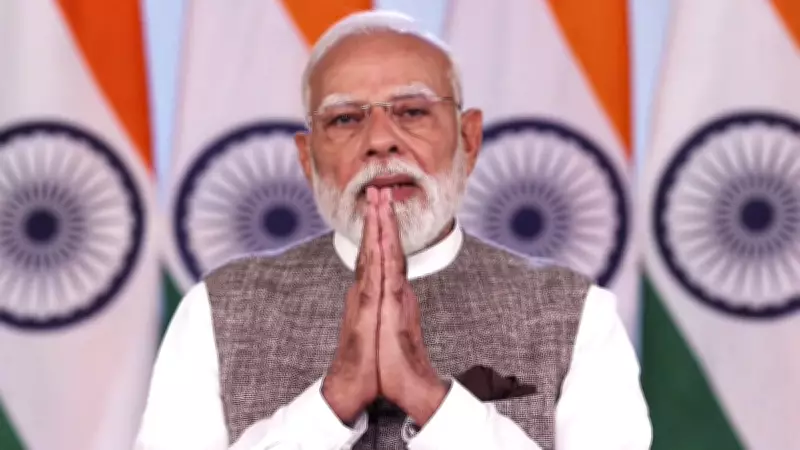
The Narendra Modi-led government has released a comprehensive set of Frequently Asked Questions (FAQs) to clarify the constitutional and procedural link between the delimitation exercise and the landmark women's reservation bill. This move comes in direct response to opposition parties' persistent claims that the administration is attempting to use the women's quota legislation as a vehicle to implement delimitation according to its own preferences, specifically based on data from the 2011 census.
Constitutional Framework and Opposition Concerns
Opposition leaders have alleged that under the guise of advancing women's representation in Parliament, the government is seeking to unilaterally carry out the delimitation process. Delimitation involves the redrawing of parliamentary and assembly constituency boundaries to reflect population changes, a task that has been frozen since 1976 but is constitutionally mandated to occur after each census. The critics argue that using the 2011 census data—which is now over a decade old—could potentially skew political representation in ways that favor the ruling party.
The government's FAQs systematically address these allegations, emphasizing that the connection between delimitation and the women's reservation bill is not arbitrary but rooted in constitutional requirements. The legislation for women's quota, which reserves one-third of seats in the Lok Sabha and state assemblies for women, cannot be fully implemented until after the delimitation exercise is completed. This is because the reservation of seats must be applied to newly defined constituencies to ensure fair and equitable representation across the country.

Clarifying the 2011 Census Data Usage
A central point of contention has been the government's reliance on the 2011 census for delimitation purposes. The FAQs explain that while the 2021 census was delayed due to the COVID-19 pandemic, the 2011 data remains the most recent official population count available. The government asserts that using this data is a practical necessity to move forward with both delimitation and the women's reservation bill, rather than a politically motivated choice.
The document outlines that the delimitation process, once initiated, will follow established legal procedures and involve an independent Delimitation Commission. This commission is tasked with ensuring that the redrawing of boundaries is conducted transparently and without bias, based on the demographic information from the census.
Broader Implications for Indian Democracy
The clarification from the Modi administration highlights several key aspects of this issue:
- Constitutional Mandate: Both delimitation and the women's reservation bill are grounded in constitutional provisions aimed at enhancing democratic representation.
- Procedural Transparency: The government stresses that all steps will adhere to legal frameworks, with oversight from appropriate commissions.
- Timely Implementation: By addressing these FAQs, the government aims to expedite the implementation of the women's quota, which has been a long-standing demand for gender equality in politics.
This development underscores the ongoing political debate in India regarding electoral reforms and representation. As the Lok Sabha prepares for future sessions, the intersection of delimitation and women's reservation continues to be a pivotal issue, with the government's latest clarifications seeking to allay fears and provide a clear path forward for these significant democratic processes.