

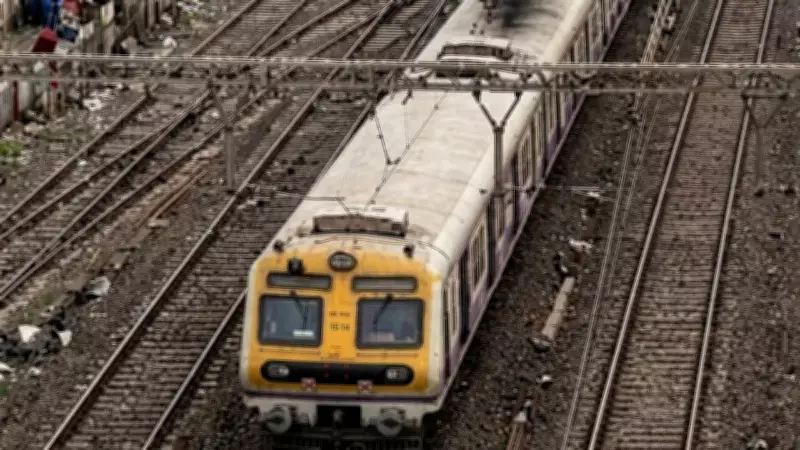
Mumbai's Suburban Rail Network Nears Critical Saturation Point
The bustling metropolis of Mumbai is grappling with an escalating crisis on its suburban rail network, as heavily utilized routes such as Churchgate–Virar and CSMT–Kalyan are rapidly approaching a saturation threshold. With passenger demand surging relentlessly, these corridors are struggling to accommodate the daily influx, compelling authorities to explore alternative capacity-enhancing solutions to avert a complete breakdown of the city's lifeline transport system.
Surface Expansion Blocked by Urban and Legal Constraints
Adding new surface-level railway lines has become an increasingly formidable challenge due to a confluence of prohibitive factors. Exorbitant land acquisition costs, coupled with the city's dense urban fabric and frequent legal disputes, have rendered traditional expansion methods nearly unworkable. Consequently, the development of underground corridors is emerging as a more viable and practical option to circumvent these entrenched obstacles and inject much-needed capacity into the network.
Land Encroachments and Delays Fuel Underground Proposal
Existing railway expansion initiatives are consistently plagued by delays stemming from land constraints and widespread encroachments. Underground infrastructure presents a strategic workaround, allowing new lines to be constructed without the need for extensive surface land acquisition, thereby offering a streamlined path to augmenting the system's carrying capability and reliability.

Severe Overcrowding Reaches Alarming Levels
Mumbai's local trains routinely endure what is termed "super-dense crush load" conditions, with peak-hour densities soaring to approximately 16 passengers per square meter. This staggering figure far exceeds global safety and comfort norms, underscoring an urgent imperative to decongest the network and alleviate the immense pressure on commuters through innovative infrastructural interventions.
Proven Metro Success Bolsters Underground Feasibility
The successful execution of underground Metro projects in Mumbai, notably the Aqua Line, has demonstrated that complex tunnelling operations in densely populated urban environments are not only feasible but also effective. This track record of accomplishment is encouraging planners to consider analogous subterranean solutions for the suburban rail network, leveraging proven engineering expertise.
Segregating Rail Traffic to Enhance Efficiency
Currently, the mixed operation of suburban, freight, and long-distance passenger trains on shared tracks contributes significantly to congestion and operational delays. The introduction of dedicated underground corridors could facilitate the segregation of these services, leading to improved scheduling, reduced interference, and a marked boost in overall network efficiency and punctuality.
Technical Disruptions Exacerbate Congestion Woes
Railway officials have highlighted that frequent technical failures on the existing overburdened network often amplify congestion issues, creating cascading delays. This vulnerability underscores the necessity for a more modern, resilient, and high-capacity system. Underground corridors, with their potential for advanced technology integration, offer a pathway to a more reliable transport framework capable of meeting Mumbai's future demands.






