Lok Sabha Speaker Issues Directives to Chief Ministers, DGCA Implements Stricter VVIP Flight Safety Rules Following Ajit Pawar Plane Crash
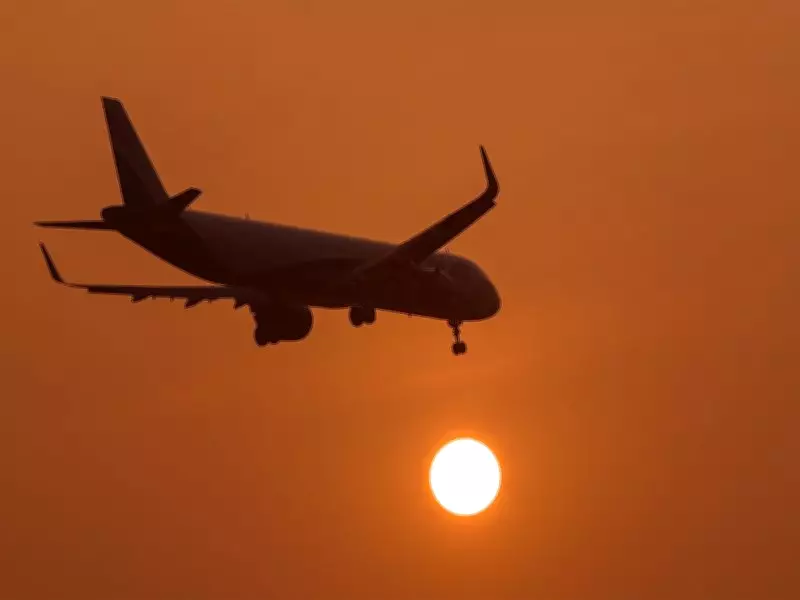
In a decisive move to enhance aviation safety for very important persons (VVIPs), Lok Sabha Speaker Om Birla has formally directed all Chief Ministers across India to adhere to stringent flight protocols. This action comes in the immediate aftermath of a plane crash involving Maharashtra Deputy Chief Minister Ajit Pawar, which has raised significant concerns about the safety standards governing VVIP air travel.
Background of the Incident and Immediate Response
The incident, which occurred recently, involved a private aircraft carrying Ajit Pawar and his entourage. While details of the crash are still under investigation by aviation authorities, it has prompted a swift and comprehensive review of existing safety measures. The Directorate General of Civil Aviation (DGCA), India's regulatory body for civil aviation, has responded by tightening rules specifically for VVIP flights to prevent such occurrences in the future.
Key directives from Lok Sabha Speaker Om Birla include mandatory compliance with all DGCA guidelines by state governments, enhanced pre-flight checks for aircraft used by VVIPs, and regular safety audits. These measures aim to ensure that political leaders and other high-profile individuals are not exposed to unnecessary risks during air travel.

DGCA's Enhanced Safety Protocols
The DGCA has introduced a series of new regulations targeting VVIP flights. These include stricter maintenance schedules for aircraft, mandatory pilot training refreshers focused on emergency procedures, and real-time monitoring of flight conditions. Additionally, the DGCA is requiring that all VVIP flights undergo thorough inspections before takeoff, with a focus on mechanical integrity and weather assessments.
Officials from the DGCA have emphasized that these rules are not merely reactive but part of a broader initiative to elevate safety standards across the aviation sector. The agency is also collaborating with international aviation bodies to incorporate best practices and advanced technologies into India's VVIP flight operations.
Implications for State Governments and Political Leaders
Chief Ministers have been instructed to implement these new guidelines without delay, ensuring that all state-owned or chartered aircraft used for VVIP travel meet the updated safety criteria. This move is expected to have a significant impact on how political leaders plan their travel, potentially leading to:
- Increased reliance on certified commercial airlines for longer routes.
- Enhanced coordination between state aviation departments and the DGCA.
- Regular reporting of safety compliance to central authorities.
The incident involving Ajit Pawar has underscored the vulnerabilities in current VVIP flight arrangements, prompting calls for greater transparency and accountability. Experts in aviation safety have welcomed these changes, noting that they could set a precedent for improved safety protocols in other sectors of air travel as well.
Looking Ahead: A Safer Future for VVIP Air Travel
As investigations into the Ajit Pawar plane crash continue, the combined efforts of the Lok Sabha Speaker and the DGCA signal a proactive approach to mitigating risks. The tightened rules are designed to be comprehensive, covering all aspects of VVIP flight operations from maintenance to pilot training.
This initiative reflects a broader commitment to public safety and governance, ensuring that those in leadership positions are protected while traveling. It also highlights the importance of regulatory vigilance in preventing accidents and fostering a culture of safety within India's aviation industry.
In conclusion, the swift response to the Ajit Pawar incident demonstrates a renewed focus on aviation safety for VVIPs, with Lok Sabha Speaker Om Birla and the DGCA leading the charge. These measures are expected to enhance trust in air travel protocols and safeguard the well-being of India's political leaders in the years to come.