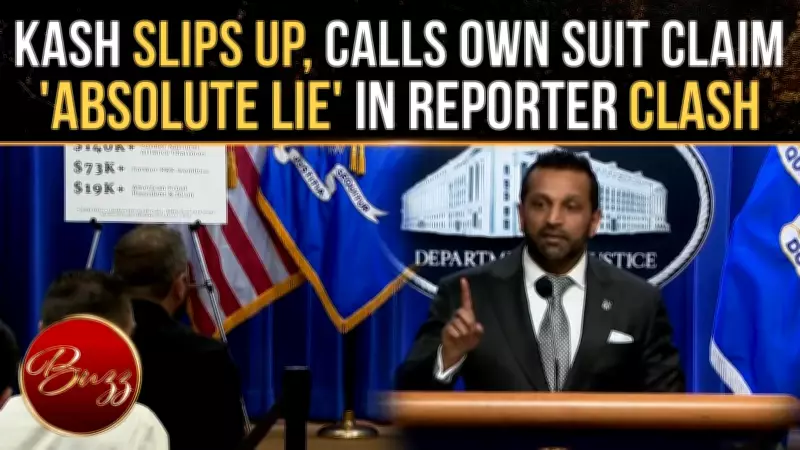
Kash Patel Faces Intense Scrutiny After Heated Exchange with Reporter
FBI Director Kash Patel is embroiled in a significant controversy following a fiery confrontation with an NBC News reporter. The clash centered on allegations regarding a system lockout, which Patel vehemently denied during the exchange. However, this denial appears to directly contradict details outlined in his own $250 million lawsuit against The Atlantic, raising serious questions about the consistency of his statements.
Contradictions Emerge in $250 Million Legal Battle
Patel's lawsuit, which seeks substantial damages from The Atlantic, reportedly acknowledges the occurrence of a temporary technical issue related to system access. This admission stands in stark contrast to his public assertions during the heated interview, where he dismissed claims of any lockout as baseless. The discrepancy has ignited a wave of scrutiny from legal experts and media observers alike, who are now closely monitoring the unfolding legal proceedings.
The reporter pressed Patel on these inconsistencies, leading to a tense and revealing dialogue.As the legal battle continues to develop, this incident has amplified existing concerns about transparency and accountability in high-profile cases. The confrontation has not only highlighted potential flaws in Patel's narrative but also underscored the broader implications for his credibility and the ongoing lawsuit. Observers note that such contradictions could significantly impact the case's outcome, potentially weakening Patel's position in court.

In summary, Kash Patel's denial of system lockout claims during a confrontational interview with NBC News directly conflicts with the acknowledgments in his lawsuit against The Atlantic. This contradiction has sparked renewed debate and scrutiny, casting a shadow over the proceedings and emphasizing the importance of factual consistency in legal and public discourse.