

Four Families Socially Boycotted in Jharkhand Village Following Religious Conversion
In a troubling incident highlighting religious tensions in rural India, four families in Haldi Pokhar village of Jagannathpur block, West Singhbhum district, Jharkhand, faced severe social boycott after converting to Christianity. The affected households reported being systematically denied access to essential community resources and public facilities, prompting police intervention to address the discriminatory practices.
Denied Basic Amenities and Forest Access
The converted families alleged that villagers prevented them from using the village pond, common wells, handpumps, and local shops. Furthermore, they were barred from collecting firewood and leaves from the nearby forest, which are crucial resources for daily survival in the remote area. This comprehensive exclusion effectively cut them off from fundamental necessities and community participation.
Religious and Cultural Concerns Cited by Villagers
Villagers belonging to the Sarna faith defended their actions, claiming the boycott was necessary to protect their religion, culture, and traditional belief system. They expressed concerns that continued conversions would negatively impact their forest deity and disrupt the established social structure that has governed community life for generations.

According to official information, the conflict escalated after a fourth family recently converted to Christianity, joining three other households that had previously adopted the faith. This latest conversion triggered the collective decision to impose restrictive measures against all converted families.
Police Intervention and Constitutional Warnings
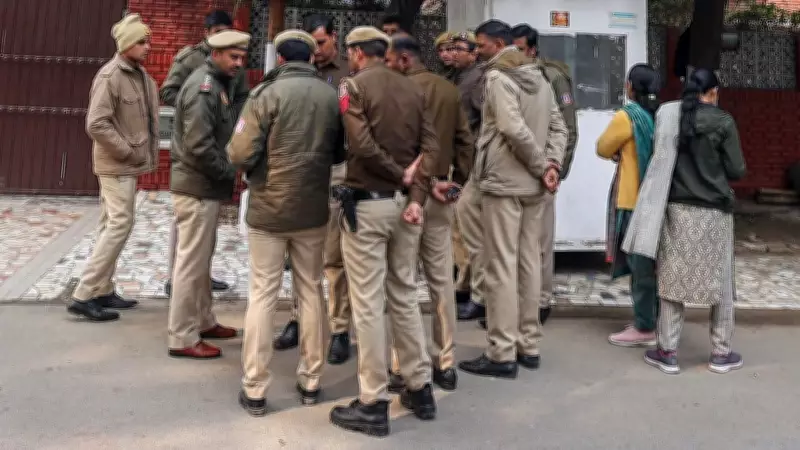
Police and revenue officials intervened after learning about the situation on Saturday. Officer-in-Charge of Kumardungi police station Ranjit Oraon personally visited the village and conducted a meeting with all parties involved, including the village munda (head) and Circle Officer Mukta Soren.
"We clearly informed everyone that social boycott is a punishable offence," stated Oraon. "They were warned that any repetition would invite legal action, including registration of an FIR. The munda represents the entire village, not any particular community. We work according to the Constitution, not for any individual or group."
Circle Officer Mukta Soren emphasized that any discrimination based on religious grounds is illegal and unconstitutional, confirming that police are closely monitoring the situation to prevent further violations.
Compromise Reached Through Village Meeting
Following police warnings and mediation, the issue was resolved through a village-level meeting. While villagers initially sought complete exclusion, a compromise was reached where the converted families would not use the village's main public facilities but would be permitted to draw water from a separate well located opposite their houses.
The officer advised both sides against taking matters into their own hands and instructed them to immediately approach police for any future issues. "The area is very remote and even phone networks do not work properly," noted Oraon, highlighting the challenges of maintaining law and order in such locations.
This incident underscores the complex interplay between religious freedom, traditional practices, and constitutional rights in India's diverse rural landscapes, particularly in regions with significant indigenous populations and distinct cultural identities.






