

Jan Suraaj Party Approaches Supreme Court Over Bihar Assembly Elections
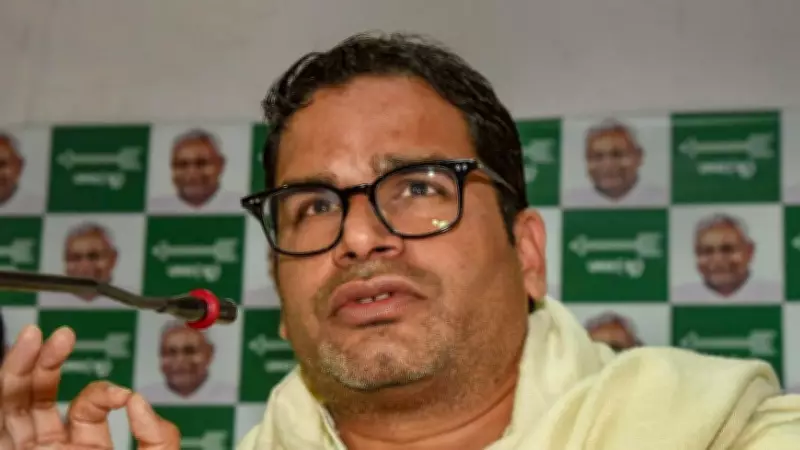
In a significant political development, Prashant Kishor's Jan Suraaj party has moved the Supreme Court of India to challenge the recently concluded Bihar Assembly elections. The party has formally filed a petition seeking the annulment of the election results and demanding the conduct of fresh polls across the state.
Legal Challenge and Upcoming Hearing
The matter is poised to come up for hearing on Friday before a bench presided over by Chief Justice of India Surya Kant and Justice Joymalya Bagchi. This legal move underscores the party's dissatisfaction with the electoral process and its outcomes, marking a critical juncture in Bihar's political landscape.
Background and Implications
Prashant Kishor, a renowned political strategist, launched the Jan Suraaj party with the aim of bringing transformative change to Bihar's governance. The decision to approach the Supreme Court reflects the party's commitment to ensuring electoral integrity and fairness. This petition could potentially set a precedent for how election disputes are handled in India, especially in states with complex political dynamics like Bihar.

The challenge comes at a time when political parties across the nation are increasingly turning to judicial avenues to address grievances related to elections. The Supreme Court's ruling in this case will be closely watched by political analysts, legal experts, and the general public, as it may influence future electoral practices and accountability measures.
Key Points of the Petition
- The Jan Suraaj party alleges irregularities in the Bihar Assembly elections.
- It seeks a declaration that the elections were not conducted in a free and fair manner.
- The party demands fresh polls to uphold democratic principles.
- The hearing is scheduled for Friday, with a bench led by Chief Justice Surya Kant.
As the legal proceedings unfold, this case highlights the ongoing tensions between political aspirations and electoral mechanisms in India. The outcome could have far-reaching consequences for Bihar's political future and the broader democratic framework of the country.






