The annals of Indian political history are marked by numerous tragedies, among which aviation accidents have claimed the lives of several prominent leaders. These incidents, ranging from plane crashes to helicopter mishaps, have left indelible scars on the nation's collective memory, underscoring the perils associated with air travel for public figures.
Netaji Subhas Chandra Bose: The First Major Incident
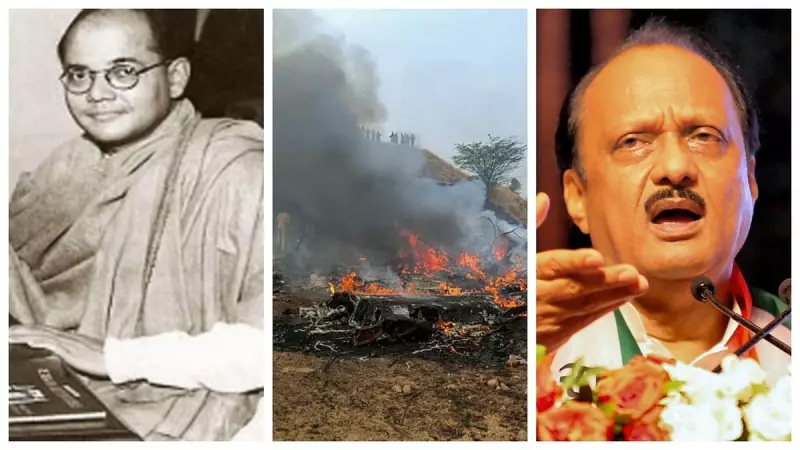
Netaji Subhas Chandra Bose is widely regarded as one of the first and most notable Indian politicians to have reportedly died in a plane crash. On 18 August 1945, his aircraft is said to have crashed in present-day Taiwan, a event that has been shrouded in mystery and controversy over the decades. This tragedy not only cut short the life of a revered freedom fighter but also sparked endless debates and conspiracy theories regarding his fate, making it a pivotal moment in India's struggle for independence and its aftermath.
Ajit Pawar and Other Recent Cases
In more recent times, the political landscape has witnessed similar heart-wrenching events. Ajit Pawar, a prominent leader from Maharashtra, is among those who have been involved in aviation accidents, highlighting how such tragedies continue to affect Indian politics. While details of his incident may vary, it serves as a stark reminder of the risks faced by politicians who frequently travel by air for official duties and campaigns. Other politicians across different states and eras have also met untimely ends in similar crashes, each adding to a somber list that reflects the unpredictable nature of air travel.

Historical Context and Impact
The history of Indian politicians dying in helicopter and plane crashes spans several decades, with each incident having a profound impact on their respective political parties and the broader public. From the early days of independence to contemporary times, these accidents have often led to shifts in leadership, policy changes, and increased scrutiny over aviation safety protocols. They serve as poignant reminders of the fragility of life and the sudden voids created in the political arena, influencing succession plans and public sentiment in significant ways.
Safety Measures and Lessons Learned
In response to these tragedies, there has been a growing emphasis on enhancing aviation safety for politicians and other high-profile individuals. Authorities have implemented stricter regulations, improved maintenance checks, and promoted better training for pilots to mitigate risks. However, despite these efforts, the inherent dangers of air travel persist, prompting ongoing discussions about balancing accessibility with security. The stories of leaders like Subhas Chandra Bose and Ajit Pawar underscore the need for continuous vigilance and innovation in this field to prevent future losses.
Overall, the narrative of Indian politicians succumbing to helicopter and plane crashes is a sobering chapter in the nation's history. It not only honors the memories of those lost but also calls for a renewed commitment to safety, ensuring that such tragedies become rarer as technology and protocols advance.