India is seeking preferential market access as part of its ongoing bilateral trade negotiations with the United States, Commerce and Industry Minister Piyush Goyal said on Monday. The remarks come as New Delhi and Washington work to finalise a comprehensive trade agreement.
Goyal outlines India's trade priorities
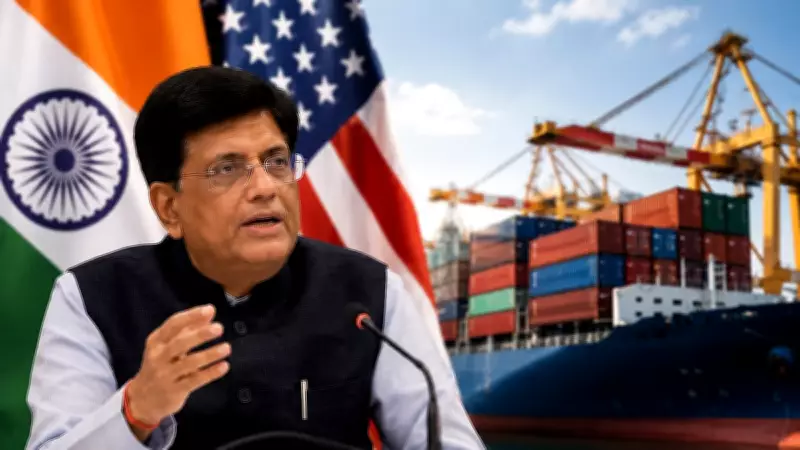
Speaking at a press conference in New Delhi, Goyal emphasised that India's primary objective in the talks is to secure better market access for its goods and services. "We are looking at a balanced and mutually beneficial agreement that addresses our core interests, including preferential market access," he said.
The minister noted that both sides have made significant progress in recent rounds of negotiations. "Discussions are at an advanced stage, and we hope to conclude the agreement soon," Goyal added, without specifying a timeline.

Bilateral trade talks intensify
The negotiations between India and the United States aim to resolve long-standing trade issues, including tariff disparities and market access barriers. The proposed bilateral trade agreement is expected to cover a wide range of sectors, from agriculture and pharmaceuticals to technology and services.
According to official data, bilateral trade between India and the US stood at approximately $120 billion in 2025, with India enjoying a surplus in services trade while running a deficit in goods. The deal is seen as a way to boost two-way commerce and strengthen economic ties.
Preferential market access a key demand
India has consistently pushed for preferential treatment under the US Generalized System of Preferences (GSP) program, which was suspended in 2019. Goyal indicated that reinstating or replacing such preferences is a critical part of the negotiations. "We want our exporters to have a level playing field, and preferential access is essential for that," he said.
The minister also stressed the importance of addressing non-tariff barriers and regulatory hurdles that Indian companies face in the US market. "It's not just about tariffs; we need smoother regulatory processes and mutual recognition of standards," Goyal added.
Impact on key sectors
Industry bodies have welcomed the government's focus on market access. The Federation of Indian Export Organisations (FIEO) said that preferential access could significantly boost shipments of textiles, leather, and engineering goods. "A trade deal with the US is a top priority for Indian exporters, and preferential access will give us a competitive edge," said FIEO President A. Sakthivel.
On the other hand, US businesses are keen to gain greater access to India's agricultural and dairy markets, as well as reductions in import duties on medical devices and information technology products. The talks are expected to address these asymmetries.
Strategic implications
The trade deal is also seen as a strategic move to deepen ties between the two democracies amid shifting global supply chains. Both countries have been exploring ways to reduce dependence on China and enhance cooperation in critical technologies.
Goyal noted that the agreement would go beyond trade to cover investment protection and intellectual property rights. "This is a comprehensive economic partnership that will benefit both nations," he said.