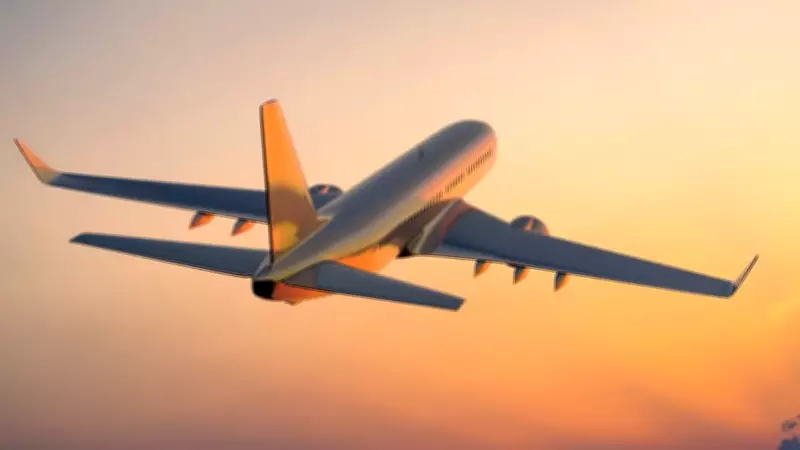
Airline ticket prices are expected to remain high as US carriers pin their hopes on a potential nuclear deal with Iran that could bring relief from soaring jet fuel costs. While airlines have raised fares, increased baggage fees, and trimmed flight schedules, these measures have only partially offset the surge in fuel expenses, according to industry analysts.
Fuel Costs Drive Price Hikes
Jet fuel prices have climbed sharply in recent months, putting pressure on airline margins. In response, major US carriers have implemented fare increases and added fees for checked bags and other services. Some airlines have also reduced capacity by cutting less profitable routes or frequencies. However, these actions have compensated for only a fraction of the rise in fuel costs, leaving ticket prices poised to stay elevated.
Iran Deal as a Potential Game-Changer
A revival of the Iran nuclear deal could unlock additional global oil supplies, potentially easing crude prices and, by extension, jet fuel costs. The Biden administration has been engaged in negotiations with Iran, though a breakthrough remains uncertain. Airlines are closely watching the diplomatic developments, as any agreement could provide much-needed relief to their bottom lines.

According to industry experts, if a deal is reached, it might lead to a moderation in fuel prices, but the impact on ticket prices would likely be gradual. Carriers may still need to maintain higher fares to recover past losses and manage ongoing cost inflation.
Passengers Face Continued Burden
For travelers, the outlook suggests that affordable airfares may remain elusive in the near term. The combination of strong travel demand, limited capacity, and high fuel costs is keeping upward pressure on ticket prices. Airlines have also been quick to pass on cost increases to consumers through ancillary fees and dynamic pricing strategies.
While some relief could come from a successful Iran deal, analysts caution that geopolitical risks and supply constraints might limit the extent of price drops. Until then, passengers should expect to pay more for air travel.