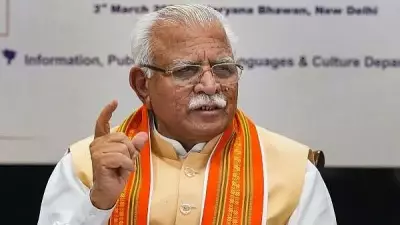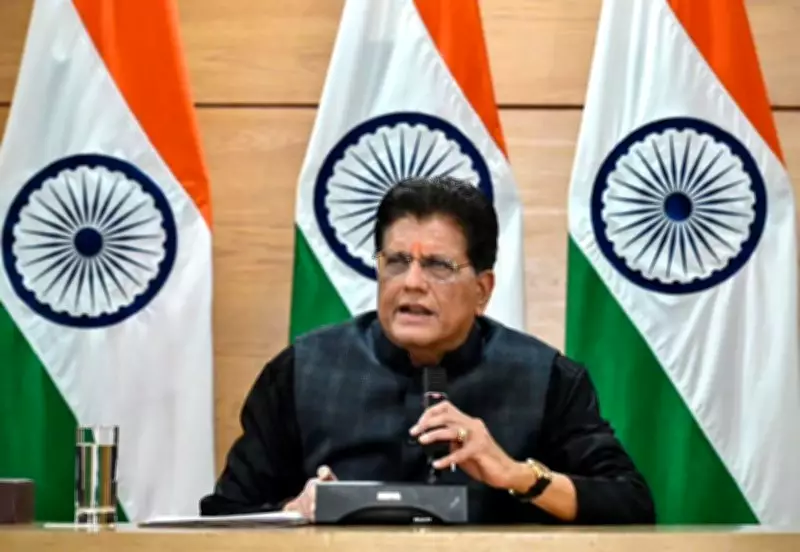
Commerce and Industry Minister Piyush Goyal has launched a sharp critique against the Gandhi family, specifically targeting their opposition to the proposed India-United States trade agreement. In a recent statement, Goyal accused the Congress leaders of displaying what he termed a "negative mentality" that could hinder India's economic progress and international trade relations.
Political Clash Over Trade Policies
The controversy stems from the ongoing negotiations between India and the US aimed at enhancing bilateral trade ties. The deal, which seeks to reduce tariffs and boost investments, has been a focal point of the Modi government's economic strategy. However, members of the Gandhi family, including Rahul Gandhi and Priyanka Gandhi Vadra, have publicly voiced concerns, arguing that the agreement might not adequately protect Indian farmers and small businesses.
Goyal's Strong Rebuttal
In response, Piyush Goyal emphasized that such opposition reflects a pessimistic outlook rather than constructive criticism. He stated, "Instead of supporting initiatives that could benefit the nation, some leaders are stuck in a mindset of negativity, which does not serve the interests of our people." Goyal further highlighted that the trade deal is designed to create jobs, increase exports, and strengthen India's position in the global market, urging political unity on economic matters.

Implications for India-US Relations
This political spat comes at a crucial time as both countries work to finalize trade terms. Analysts suggest that internal disagreements within India could delay or complicate the negotiations, potentially affecting diplomatic relations. The US has expressed optimism about the deal, viewing it as a step towards deeper economic cooperation, but domestic opposition adds a layer of uncertainty.
Broader Economic Context
The India-US trade deal is part of a larger effort to boost India's economy post-pandemic, with a focus on sectors like technology, pharmaceuticals, and agriculture. Supporters argue that it will open new markets and attract foreign investment, while critics, including the Gandhi family, warn of risks to local industries and sovereignty. This debate underscores the ongoing tension between globalization and protectionism in Indian politics.
As discussions continue, the government remains confident that the deal will be finalized soon, despite the political hurdles. Piyush Goyal's comments have sparked a wider conversation about the role of opposition in shaping economic policies, with many calling for a more collaborative approach to ensure India's growth and stability on the world stage.