Congress MP Gaurav Gogoi Raises Concerns Over Rule Violation in Speaker Removal Debate
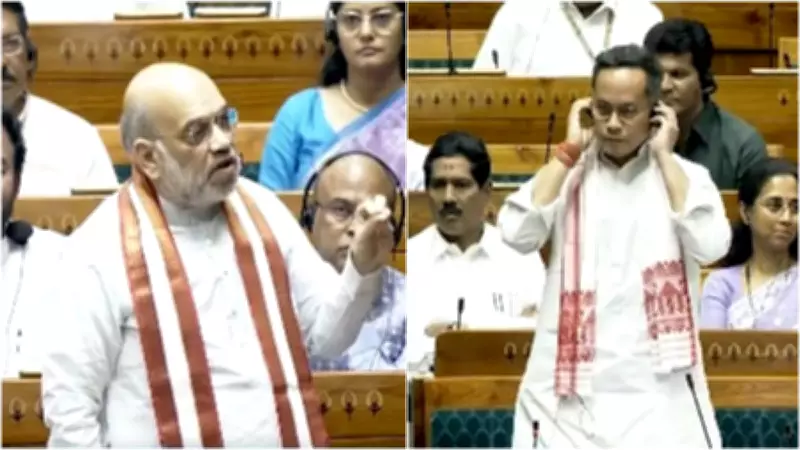
In a heated session of the Lok Sabha, Congress MP Gaurav Gogoi flagged an alleged violation of parliamentary rules during a debate on the removal of the Speaker. The incident, which occurred on March 10, 2026, has sparked significant discussion about procedural integrity in India's legislative body.
Gogoi's Allegations of Procedural Lapses
Gaurav Gogoi, a prominent opposition figure, pointed out that the selection of the chairperson for the debate did not adhere to established parliamentary norms. He argued that this oversight compromised the fairness and transparency of the proceedings, potentially influencing the outcome of the discussion on the Speaker's removal.
Gogoi emphasized that such deviations from protocol undermine the democratic process and called for immediate corrective measures to ensure that future debates are conducted in accordance with the rulebook.Amit Shah's Firm Response
Home Minister Amit Shah swiftly responded to Gogoi's allegations, defending the conduct of the debate. Shah asserted that all procedures were followed meticulously and that the chairperson's selection was in line with parliamentary traditions.
Shah stated, "The government is committed to upholding the sanctity of parliamentary proceedings. Any suggestions of rule violations are baseless and aimed at disrupting the house's functioning."He further highlighted that the debate was conducted with due diligence and that the opposition's concerns were unfounded, urging members to focus on substantive issues rather than procedural technicalities.
Implications for Parliamentary Democracy
This exchange between Gogoi and Shah underscores the ongoing tensions between the ruling party and the opposition in the Lok Sabha. Key points from the incident include:
- Procedural Integrity: The debate raises questions about adherence to parliamentary rules, which are crucial for maintaining democratic accountability.
- Political Dynamics: Such conflicts often reflect broader political rivalries, impacting legislative efficiency and public trust.
- Future Precedents: The outcome of this dispute could set important precedents for how similar issues are handled in future sessions.
Observers note that while procedural debates are common in parliaments worldwide, their resolution is essential to ensure that legislative processes remain robust and credible.
Broader Context and Reactions
The Speaker removal debate is part of a larger political landscape, with both sides leveraging procedural arguments to advance their agendas. Reactions from other political parties and civil society have been mixed, with some supporting Gogoi's call for stricter rule enforcement and others backing Shah's defense of the process.
As the Lok Sabha continues its sessions, this incident serves as a reminder of the importance of procedural clarity and bipartisan cooperation in upholding democratic values. Stakeholders are closely watching for any follow-up actions or reforms that might emerge from this controversy.