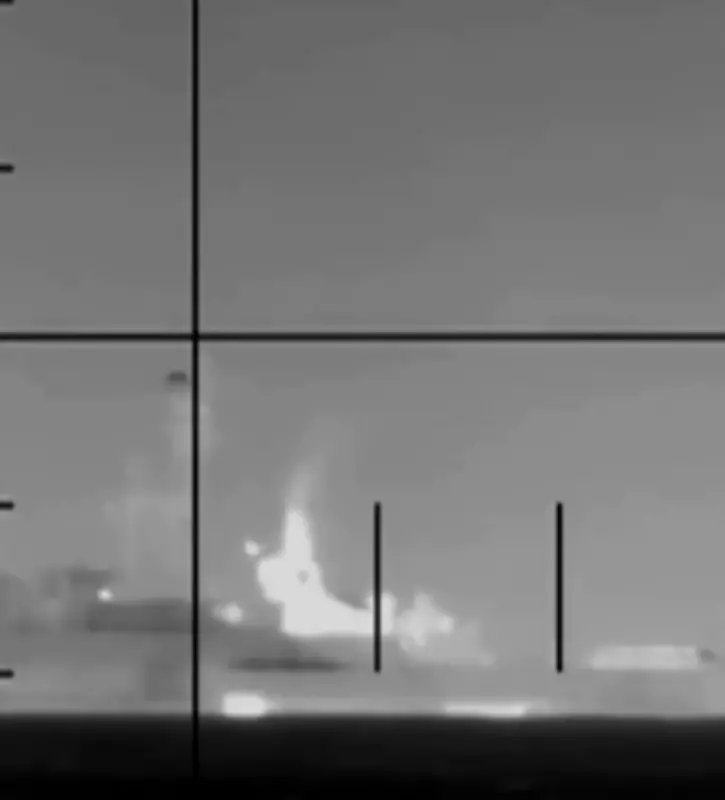
US Strike on Iranian Ship Revives Torpedo Warfare After 80-Year Hiatus
The recent military action by the United States against an Iranian vessel has brought a classic naval weapon back into the spotlight. This event marks the first documented combat deployment of torpedoes by American submarines since the closing days of World War II, effectively ending an eight-decade period where these weapons were carried but not used in active hostilities.
A Historical Echo from World War II
The last confirmed instance of a US submarine employing torpedoes in battle occurred on August 14, 1945. This was merely days before the official conclusion of World War II. On that historic date, the American submarine USS Torsk engaged and successfully sank the Japanese coastal defense frigate identified as CD-47. The engagement took place in the strategic waters of the Sea of Japan.
The attack was executed using specific models of torpedoes: the Mark 27, colloquially known as the 'Cutie,' and the Mark 28. These weapons represented the technological pinnacle of undersea warfare at the time, designed for precision and destructive power against enemy naval assets.

Eight Decades of Dormant Deployment
Following that 1945 engagement, the role of the torpedo in US naval strategy entered a prolonged phase of dormancy in terms of actual combat use. For the next eighty years, American attack submarines and other naval vessels continued to be equipped with advanced torpedo systems as a standard part of their arsenal.
These weapons were maintained, upgraded, and trained with extensively, but no verified scenario arose where they were launched against an adversary's ship in a live conflict. This period saw naval warfare evolve with the advent of missile technology, aircraft carriers, and electronic warfare, yet the torpedo remained a silent, submerged deterrent.
The Modern Revival in Naval Combat
The strike on the Iranian ship signifies a dramatic shift, demonstrating that torpedoes retain a critical and viable role in contemporary naval engagements. Analysts suggest this revival may be attributed to several strategic factors in modern maritime conflicts.
- Stealth and Surprise: Torpedoes offer a covert attack method, allowing submarines to engage targets without immediate detection.
- Effectiveness Against Specific Targets: For certain vessel types or in particular maritime environments, torpedoes can be more effective than surface-launched missiles.
- Technological Advancements: Modern torpedoes are far more sophisticated, with improved guidance systems, range, and payload capabilities compared to their WWII-era predecessors.
This incident not only highlights a tactical decision but also signals a potential recalibration in naval warfare doctrine. It underscores the enduring importance of submarine capabilities and the weapons they carry, even as newer technologies dominate headlines. The return of the torpedo to active combat use after such a lengthy hiatus is a significant development in military history and contemporary strategic studies.